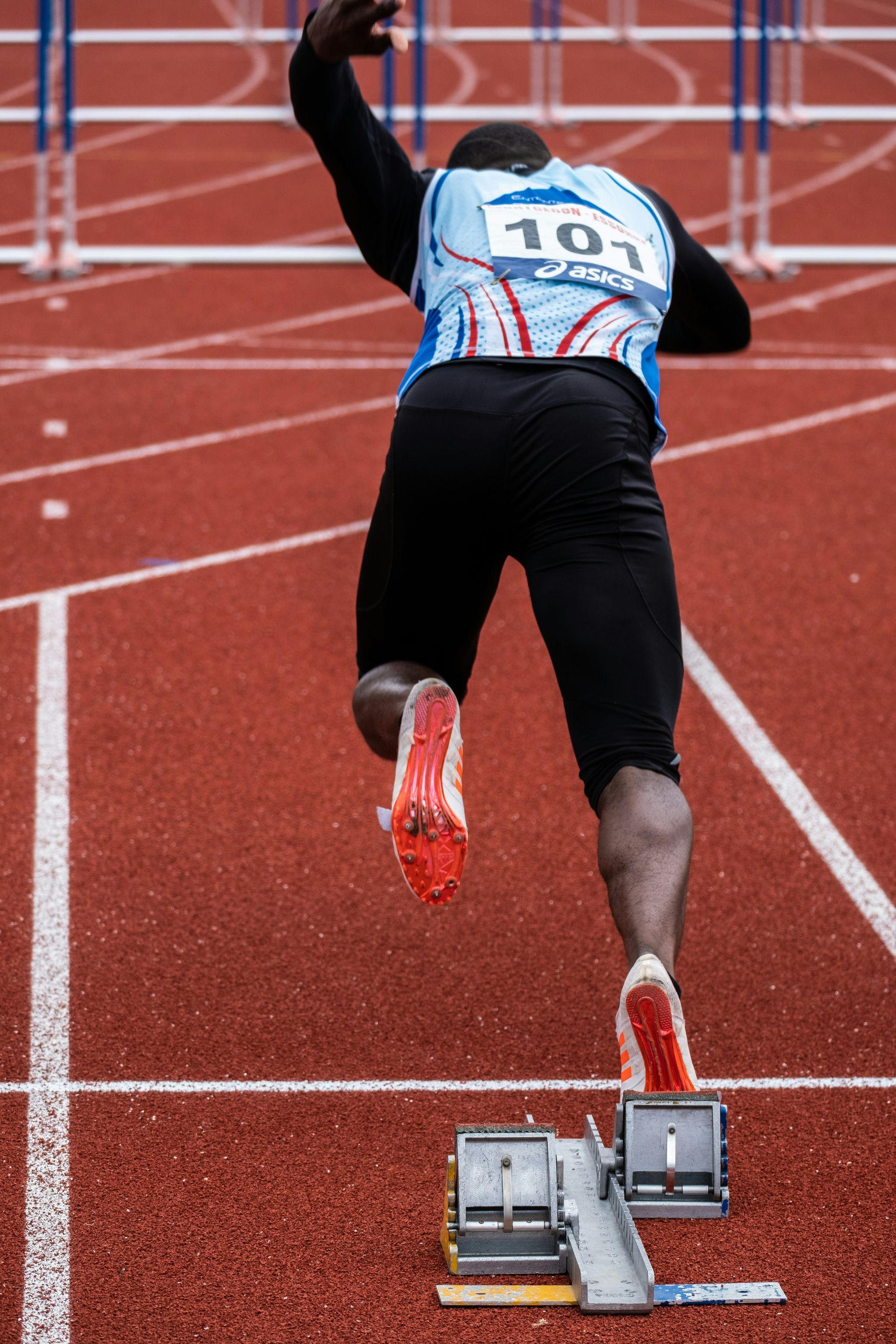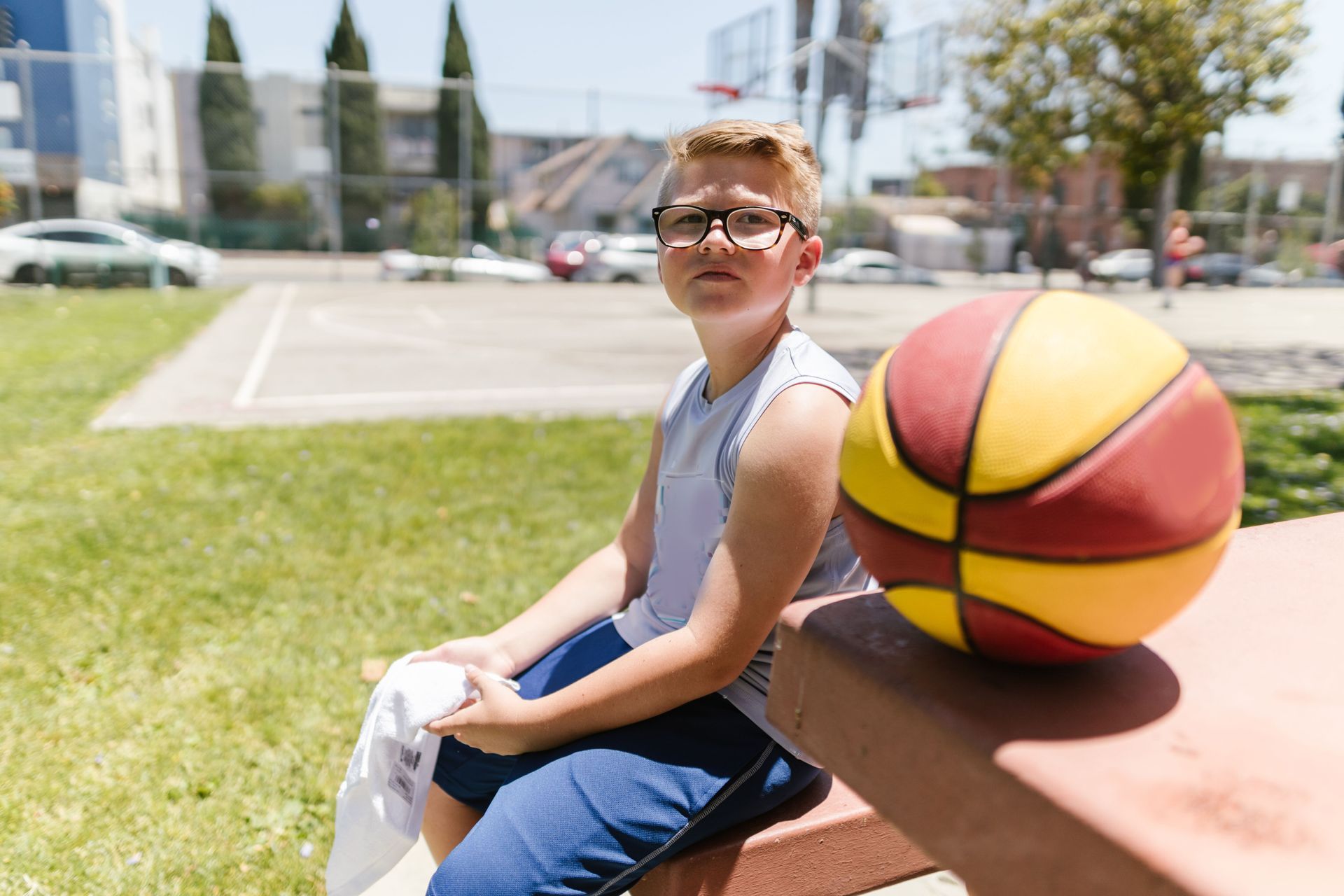
Fear of Re-Injury Is Real—Here’s How Sports Psychology Performance Coaching Helps Athletes Come Back Stronger in Omaha

Fear of Re-Injury Is Real—Here’s How Sports Psychology Performance Coaching Helps Athletes Come Back Stronger in Omaha
An athlete can survive surgery, complete rehab, regain strength, and still not feel ready to return to competition.
Not because their body is incapable.
Not because their knee is unstable.
But because their mind is still protecting them.
Fear of re-injury is one of the most common challenges athletes face after an injury, yet it’s often overlooked. Athletes in Omaha and across the country are learning that recovering physically is only part of the process. True recovery also involves rebuilding confidence, trust, and mental resilience.
That’s why conversations around ACL recovery mental health, sports injury mental recovery, and performance coaching in Omaha are becoming increasingly important.
Athletes are often given physical therapy plans, strength programs, and return-to-play timelines.
But many are never taught how to mentally recover from injury.
This is where performance coaching can make a major difference. Whether an athlete is recovering from an ACL tear, shoulder surgery, concussion, or another major setback, mental training can help them return stronger, more confident, and emotionally prepared to compete again.
Why Fear of Re-Injury Happens
Fear after injury is not weakness. It’s the brain trying to keep the athlete safe. When an athlete experiences a traumatic injury, the nervous system remembers the pain, instability, and fear associated with that moment. Even after the body heals, the brain may still perceive certain movements or situations as dangerous.
Athletes recovering in Omaha sports programs often experience thoughts like:
- “What if it happens again?”
- “Can I trust my body?”
- “Will I ever be the same athlete?”
- “What if I lose my position?”
- “What if I let my team down?”
These fears are especially common after:
- ACL tears
- Achilles injuries
- Concussions
- Shoulder injuries
- Repeated sprains
- Major surgeries
This is why ACL recovery mental health in Omaha is becoming a more important part of sports medicine and athlete care.
Recovery is not only physical. It’s emotional, neurological, and psychological too.
The Emotional Side of Sports Injuries
Sports injuries affect much more than muscles and joints.
For many athletes in Omaha, sports are connected to:
- Identity
- Friendships
- Confidence
- Scholarships
- Goals
- Daily routine
- Future opportunities
When an injury happens, athletes may feel grief, frustration, anxiety, or isolation.
Many athletes experience:
- Fear
- Sadness
- Anger
- Depression symptoms
- Loss of motivation
- Anxiety about returning
Unfortunately, athletes are often taught to hide these emotions and “stay tough.”
But emotional suppression usually increases stress and anxiety over time. One of the most important parts of sports injury mental recovery in Omaha is helping athletes understand that emotional responses to injury are normal. Acknowledging fear is not weakness. It’s part of the healing process.
Why ACL Injuries Are So Mentally Challenging
Few injuries impact an athlete mentally like an ACL tear. The rehab process is long, exhausting, and emotionally draining. Athletes may spend months away from teammates, competition, and the sport they love. This is why ACL recovery mental health Omaha athletes experience deserves more attention.
After an ACL injury, athletes often wonder:
- “Can I cut hard again?”
- “Will my knee hold up?”
- “Am I explosive anymore?”
- “What if I tear it again?”
- “Can I still compete at a high level?”
Even after being medically cleared, athletes may:
- Hesitate during movement
- Avoid aggressive play
- Overthink mechanics
- Lose confidence in competition
- Feel anxiety before games
Fear itself can sometimes increase injury risk because hesitation changes movement patterns and reaction time.
This is where performance coaching in Omaha can become a critical part of recovery.
What Performance Coaching Does During Injury Recovery
Performance coaching helps athletes rebuild confidence and mentally prepare for return to sport. A performance coaching professional in Omaha may help athletes:
- Manage fear and anxiety
- Stay motivated during rehab
- Rebuild trust in their body
- Develop confidence gradually
- Improve emotional resilience
- Handle setbacks effectively
- Reduce performance anxiety
The goal is not pretending fear doesn’t exist.
The goal is helping athletes move forward confidently despite uncertainty.
Being Cleared Physically vs. Feeling Ready Mentally
One of the hardest moments in recovery is hearing:
“You’re cleared to play.”
Many Omaha athletes expect to feel excited. Instead, they often feel nervous or overwhelmed. This happens because physical readiness and mental readiness are different things. A surgeon may confirm healing. A physical therapist may confirm strength. But the athlete’s brain may still associate sport with danger.
This gap is common in sports injury mental recovery.
Athletes frequently say:
- “My body feels ready, but my mind doesn’t.”
- “I’m scared to trust my knee.”
- "I keep thinking about getting hurt again.”
Performance coaching helps athletes bridge that gap.
How Fear Impacts Performance
Fear changes performance physically and mentally.
Athletes recovering from injuries in Omaha may:
- Play cautiously
- Hesitate during competition
- Tighten muscles
- Avoid contact
- Lose aggression
- Overthink movements
- React slower
In fast-paced sports, hesitation matters.
A volleyball player may stop jumping aggressively.
A soccer player may hesitate cutting.
A basketball player may avoid explosive movement.
These small hesitations can dramatically affect confidence and performance.
Performance coaching helps athletes retrain confidence and movement together.
Performance Coaching Strategies That Help Athletes Come Back
1. Gradual Confidence Building
Confidence does not instantly return after injury.
Athletes in Omaha recovering from ACL tears or major injuries rebuild confidence through:
- Small wins
- Repetition
- Positive experiences
- Goal-setting
- Tracking progress
Instead of asking:
“Am I completely fearless yet?”
The focus becomes: “Can I confidently take the next step?”
This mindset helps athletes reduce overwhelm and regain momentum.
2. Visualization and Mental Rehearsal
Visualization is one of the most effective tools for sports injury mental recovery.
Athletes mentally rehearse:
- Cutting confidently
- Landing safely
- Competing successfully
- Staying calm under pressure
Mental imagery helps retrain the brain and build confidence before returning fully to competition.
Many performance coaching professionals in Omaha use visualization techniques to help athletes regain trust in their bodies.
3. Reframing Negative Thoughts
Injured athletes often think:
- “I’ll never be the same.”
- “I’m fragile now.”
- “My career is over.”
Performance coaching teaches athletes how to challenge those thoughts.
Instead of:
“I’m broken.”
Athletes learn:
“I’m rebuilding.”
Instead of:
“What if I get hurt again?”
They learn:
“What evidence shows I’m getting stronger?”
This shift in thinking can dramatically improve recovery outcomes.
The Importance of Identity During Recovery
One of the hidden struggles during injury recovery is identity loss.
Many athletes in Omaha strongly identify with their sport. When injury removes competition, athletes may feel lost or disconnected.
They may wonder:
- “Who am I without sports?”
- “Do I still matter to my team?”
- “What if I never get back?”
This emotional challenge is common in both ACL recovery mental health and sports injury mental recovery.
Performance coaching helps athletes build confidence and self-worth outside performance alone.
Why Athletes Rush Back Too Soon
Many athletes feel pressure to return quickly.
Pressure may come from:
- Coaches
- Parents
- Teams
- Scholarships
- Social media
- Internal expectations
Returning before being mentally ready can increase:
- Anxiety
- Stress
- Hesitation
- Re-injury risk
Performance coaching in Omaha encourages athletes to respect both physical and mental recovery timelines.
The goal is not simply returning fast.
The goal is returning fully prepared.
Coaches and Parents Play a Major Role
Athletes recover better when they feel emotionally supported.
Coaches and parents in Omaha can help by:
- Encouraging patience
- Supporting mental recovery
- Celebrating progress
- Avoiding pressure-filled language
- Listening without judgment
Helpful phrases include:
- “You’re making progress.”
- “Your recovery matters.”
- “You don’t have to rush.”
Supportive environments improve both confidence and performance outcomes.
Signs an Athlete May Need Additional Mental Support
Athletes recovering from injuries may benefit from performance coaching support if they experience:
- Persistent fear of re-injury
- Panic before practice or games
- Avoidance behaviors • Anxiety
- Depression symptoms
- Loss of motivation
- Sleep difficulties
- Extreme hesitation during movement
Performance coaching professionals in Omaha can help athletes navigate these challenges using evidence-based strategies.
The Hidden Strength That Comes From Recovery
Injury is incredibly difficult. But it can also develop:
- Resilience
- Patience
- Mental toughness
- Emotional awareness
- Leadership
- Perspective
Many athletes return stronger mentally because they learned how to handle adversity. The comeback often becomes bigger than the sport itself.
Final Thoughts on ACL Recovery Mental Health and Sports Injury Mental Recovery in Omaha
Fear of re-injury is real.
Athletes throughout Omaha and beyond are discovering that recovery involves more than physical healing.
Confidence, trust, and emotional resilience all play a major role in returning to sport successfully.
The growing awareness around ACL recovery mental health Omaha athletes experience and sports injury mental recovery is helping athletes realize they are not alone.
Performance coaching helps athletes:
- Rebuild confidence
- Manage fear
- Trust their body again
- Stay resilient through setbacks
- Return mentally prepared
Being physically cleared is important.
But truly feeling ready again—that’s where mental recovery matters most.
Looking for a sports psychology performance coaching in Omaha, NE? Contact us at Focus Therapy & Performance Coaching to learn how we can help.