

Becky Meline, LIMHP MGCP
Comparison is something every athlete faces — whether it’s comparing stats, playing time, body type, or social media highlights. In today’s world, athletes aren’t just competing on the field or court — they’re competing with what they see online.
You scroll through Instagram and see a teammate posting highlight reels, another athlete committing to their dream school, or someone showing off their “perfect” body or training grind. Before you know it, you start questioning your own progress and wondering if you’re enough.
Here’s the truth: comparison steals joy, confidence, and focus — three things every athlete needs to perform at their best. Let’s talk about how to manage it.
1. Recognize That You’re Seeing a Highlight Reel
Social media shows the best moments, not the full story. That picture-perfect post doesn’t show the athlete’s struggles, failures, or late-night frustrations.
Remind yourself that you’re seeing a filtered version of someone’s journey — not their full reality. When you catch yourself comparing, try saying to yourself:
“I’m only seeing their highlight reel, not their hard days.”
Grounding yourself in that truth helps bring the focus back to your own path.
2. Focus on Your Lane
Every athlete develops differently — physically, mentally, and emotionally. Some teammates peak early, others find their stride later. Comparing your chapter 2 to someone else’s chapter 10 only hurts your growth.
Instead, shift your mindset:
Set your own goals — what do you want to improve this week?
Track your own progress — celebrate small wins like better recovery, stronger mindset, or consistent effort.
Remember your why — why you play, why you train, and what you love about your sport.
When your focus is inward, comparison loses power.
3. Use Comparison as Feedback, Not Judgment
Comparison isn’t always bad — it can become fuel when used the right way. Instead of thinking, “She’s so much better than me,” shift to, “What can I learn from her?”
If a teammate has great confidence, work on your mental game. If someone’s faster or stronger, ask what drills or training helped them. Growth-minded athletes turn comparison into curiosity — not criticism.
4. Take Breaks from Social Media
If scrolling makes you feel less than, it’s okay to step back. Unfollow accounts that trigger insecurity and follow people or pages that inspire healthy habits, positivity, and confidence.
Try creating boundaries:
No scrolling before or after practice
24-hour social media break after tough games
Limit time on comparison-heavy platforms like Instagram or TikTok
Protect your mental space the same way you protect your body — both impact performance.
5. Build Genuine Connections with Teammates
Comparison can isolate you — but connection heals it. When you build real relationships with teammates, you realize that everyone has insecurities and goals they’re working toward.
Support each other. Celebrate each other’s wins. When your team culture is rooted in encouragement instead of comparison, everyone performs better.
6. Remind Yourself of What Makes You, You
No one else has your exact mindset, skills, story, or purpose. That’s your superpower.
When you catch yourself comparing, pause and remind yourself:
“I have my own strengths, and I’m working on becoming my best self.”
Confidence grows when you anchor your worth in who you are — not in how you measure up to others.
Every athlete struggles with comparison — it’s part of being human. But learning to manage it is part of becoming mentally strong.
Focus on your growth, surround yourself with supportive people, and remember that your path doesn’t have to look like anyone else’s to be meaningful. You’re building your story — and that’s something worth being proud of.
Becky Meline, LIMHP MGCP
Licensed Clinician & Certified Performance Coach
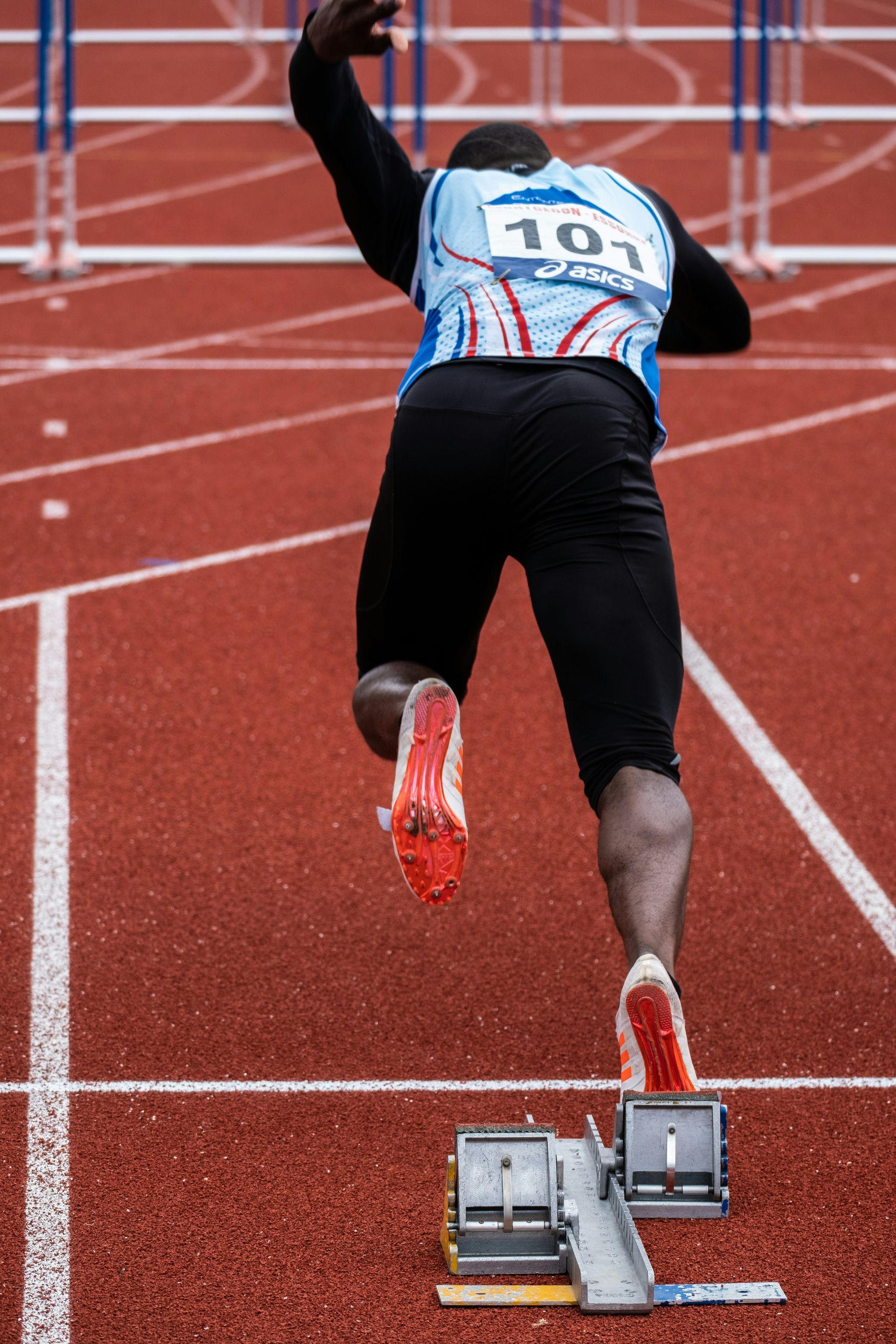
Pre-Game Jitters vs. Performance Anxiety: What's Normal and When to Get Help
Is tryout anxiety affecting your athlete’s confidence? Discover support for anxiety in sports in Omaha, NE, with Focus Therapy. Read to learn more today.
Is tryout anxiety affecting your athlete’s confidence? Discover support for anxiety in sports in Omaha, NE, with Focus Therapy. Read to learn more today.

Has your student seemed more anxious, down, or overwhelmed lately? Discover anxiety and depression therapy in Omaha, NE, with Focus Therapy. Read more today.
Is your child struggling to keep up at school? Discover anxiety therapy for kids in Omaha, NE, with Focus Therapy to help manage stress, worry, and overwhelm.
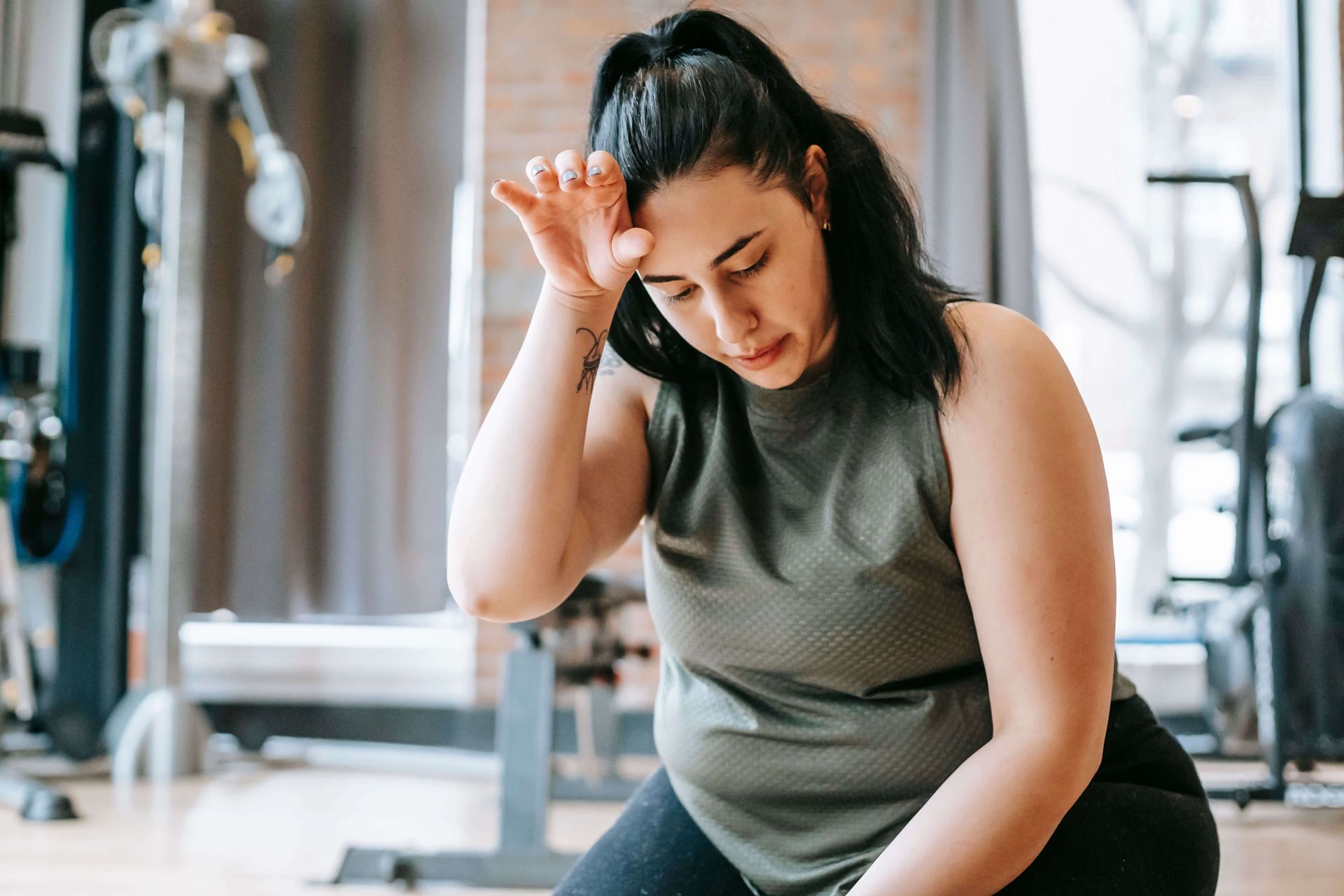
Does the pressure to be the best fuel your anxiety? Focus Therapy offers sports performance anxiety therapy in Omaha, NE, for high-achieving athletes.

Could online therapy make anxiety support easier to fit in? Focus Therapy provides online anxiety therapy in Omaha, NE, from home. Read to learn more today.

Is an injury affecting your confidence? Focus Therapy provides anxiety therapy in Omaha, NE, for athletes working through setbacks. Read to learn more today.

Could EMDR help you feel calmer and more grounded? Focus Therapy provides EMDR therapy for anxiety in Omaha, NE with personalized support for nervous system healing.

Do social interactions leave you feeling exhausted? Focus Therapy offers therapy for social anxiety in Omaha, Nebraska, to help you feel more balanced.