Tryout Anxiety and Overthinking Every Mistake: Sports Anxiety Therapy in Omaha, NE for Building Confidence
Your athlete misses one shot, one pass, one serve — and suddenly it's all they can think about. Not just for the next five minutes. For the rest of practice. Sometimes for the rest of the week.
If you've watched your kid replay a single mistake over and over, long after everyone else has moved on, you already know how exhausting overthinking can be — for them, and for you.
At Focus Therapy & Performance Coaching, we hear this from parents and athletes across Omaha and Blair, Nebraska, all the time: "They're so hard on themselves." "One bad play and their whole attitude changes." "I don't know how to help them let it go." Here's what's actually going on, and what helps.
There is a common overlap with anxiety and athletes in Omaha. Anxiety therapy can help figure out how to manage it.
Why Does One Mistake Feel Like the Whole Game?
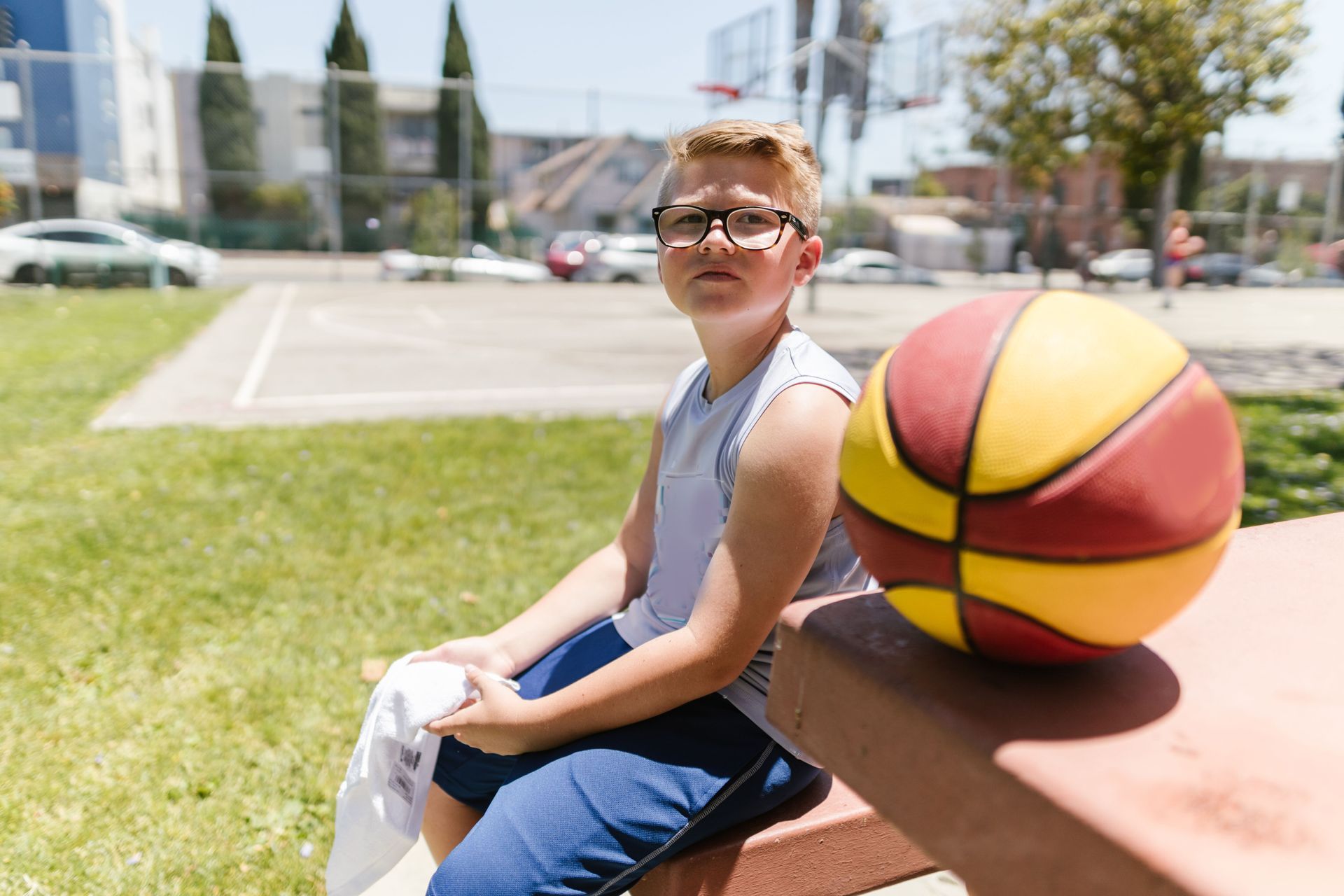
Overthinking mistakes isn't a character flaw or a lack of toughness. It's usually anxiety doing exactly what anxiety does: scanning for threats and refusing to let them go until it feels like the problem is "solved."
For an anxious athlete, a missed shot isn't just a missed shot. It becomes evidence. Evidence that they're not good enough, that the coach noticed, that teammates are judging them, that tryouts won't go their way. The brain treats that one moment like a five-alarm fire, even though everyone else on the field has already moved on to the next play.
This is why telling an athlete to "just shake it off" rarely works. Their nervous system isn't being stubborn — it's stuck in a loop it doesn't know how to exit.
What Does Overthinking Look Like in Real Life?
Sports anxiety and rumination can show up in ways that don't always look like "anxiety" on the surface:
- Replaying a mistake mentally, sometimes for hours after the game ends
- Getting quiet, withdrawn, or unusually irritable after a rough play
- Apologizing repeatedly to teammates or coaches
- A visible drop in performance right after an error, as if one mistake causes the next
- Trouble falling asleep the night after a game because the mental replay won't stop
- All-or-nothing thinking — "I played terribly" after one bad quarter, even in an otherwise strong game
Parents often notice the mood shift before they understand the cause. It's not that your athlete doesn't care about the sport anymore. It's that their brain has decided this one moment defines everything.
Confidence Isn't Built by Avoiding Mistakes
Here's something we tell athletes early on when working with a sports anxiety therapist: confidence doesn't come from never messing up. It comes from proving to yourself, over and over, that a mistake doesn't mean the end of the game — or the end of you as an athlete.
Athletes who overthink every error are often trying to protect themselves from a bigger fear underneath: if I mess up enough, I'll lose my spot, my team, or my identity as someone who's good at this. Real confidence gets built by learning that one mistake is recoverable, not catastrophic.
What Actually Helps Tryout Anxiety?

A few tools we use with athletes working through overthinking and tryout-related anxiety:
Teach the "next play" mindset. This isn't a slogan — it's a practiced skill. We help athletes build a specific mental cue (a breath, a phrase, a physical reset like tapping their glove) that signals to their brain: that play is over, this one is new.
Reframe mistakes as data, not verdicts. A missed shot tells you something useful about form or timing. It doesn't tell you anything about your worth as a player or a person. Separating those two things is a huge part of the work.
Practice self-talk out loud, before it's needed. Waiting until the pressure moment to try a new mental strategy rarely works. We rehearse it in calmer settings first, so it's already familiar when the stakes go up.
Address the perfectionism underneath. A lot of athletes who spiral after mistakes are perfectionists in disguise. Therapy helps them notice when "high standards" have turned into "nothing less than flawless is acceptable" — and gently challenges that belief.
Give parents language that actually helps. We often coach parents on what to say (and what not to say) after a tough game — because well-meaning comments like "you'll get 'em next time" can sometimes land as dismissive rather than supportive.
Confidence Is Learnable — Even for the Athlete Who's "Always Been Like This"
If your athlete has always been hard on themselves, it can start to feel like just who they are. It's not. Overthinking and self-criticism are patterns, and patterns can shift with the right support.
Focus Therapy & Performance Coaching provides sports anxiety therapy and performance coaching for athletes in Omaha, Blair, and statewide via telehealth — helping young athletes quiet the overthinking, rebuild confidence, and actually enjoy the sport they've worked so hard at.
Ready to help your athlete stop replaying every mistake and start playing with more freedom? Reach out to Focus Therapy & Performance Coaching to schedule a consultation.

Build Confidence Through Sports Anxiety Therapy in Omaha
Tryouts can bring intense pressure for athletes, especially when one missed shot, dropped ball, or mistake leads to overthinking and self-doubt. At Focus Therapy, therapy for anxiety and athletes in Omaha, NE, can help athletes manage tryout nerves, quiet negative self-talk, and build greater confidence in their abilities.
Here’s how therapy can help:
- Schedule a consultation.
- Begin sports anxiety therapy focused on tryout pressure, performance worries, and overthinking mistakes.
- Develop practical strategies to manage nerves, stay focused after mistakes, and approach competition with greater confidence.
An anxiety therapist can provide individualized support for athletes who struggle with performance anxiety, fear of making mistakes, or pressure to prove themselves during tryouts and competition.
Individualized Mental Health Care in Omaha, NE
Focus Therapy offers personalized support for a variety of mental health concerns and life challenges, including ADHD, depression, postpartum concerns, trauma, PTSD, body image and self-esteem, parenting challenges, and major life changes.
Treatment is tailored to each client and may incorporate EMDR, trauma-informed care, and other evidence-based methods. Through therapy, clients can gain practical coping skills, improve emotional well-being, and feel more equipped to handle difficult experiences.
Get to Know Becky Meline at Focus Therapy
Becky Meline is a licensed clinician and Sports Psychology-certified Mental Game Coach with over 14 years of experience supporting children, teens, and adults. As a former collegiate volleyball player and Coyote Hall of Fame inductee, she understands many of the pressures athletes can face, from performance expectations to the mental challenges of competition.
After founding Focus Therapy in 2017, Becky combined her mental health expertise with performance coaching to help clients overcome barriers, build confidence, and develop practical strategies for reaching their personal and athletic goals.