How to Stay Mentally Strong After an ACL Injury: Coping With the Challenges of Recovery
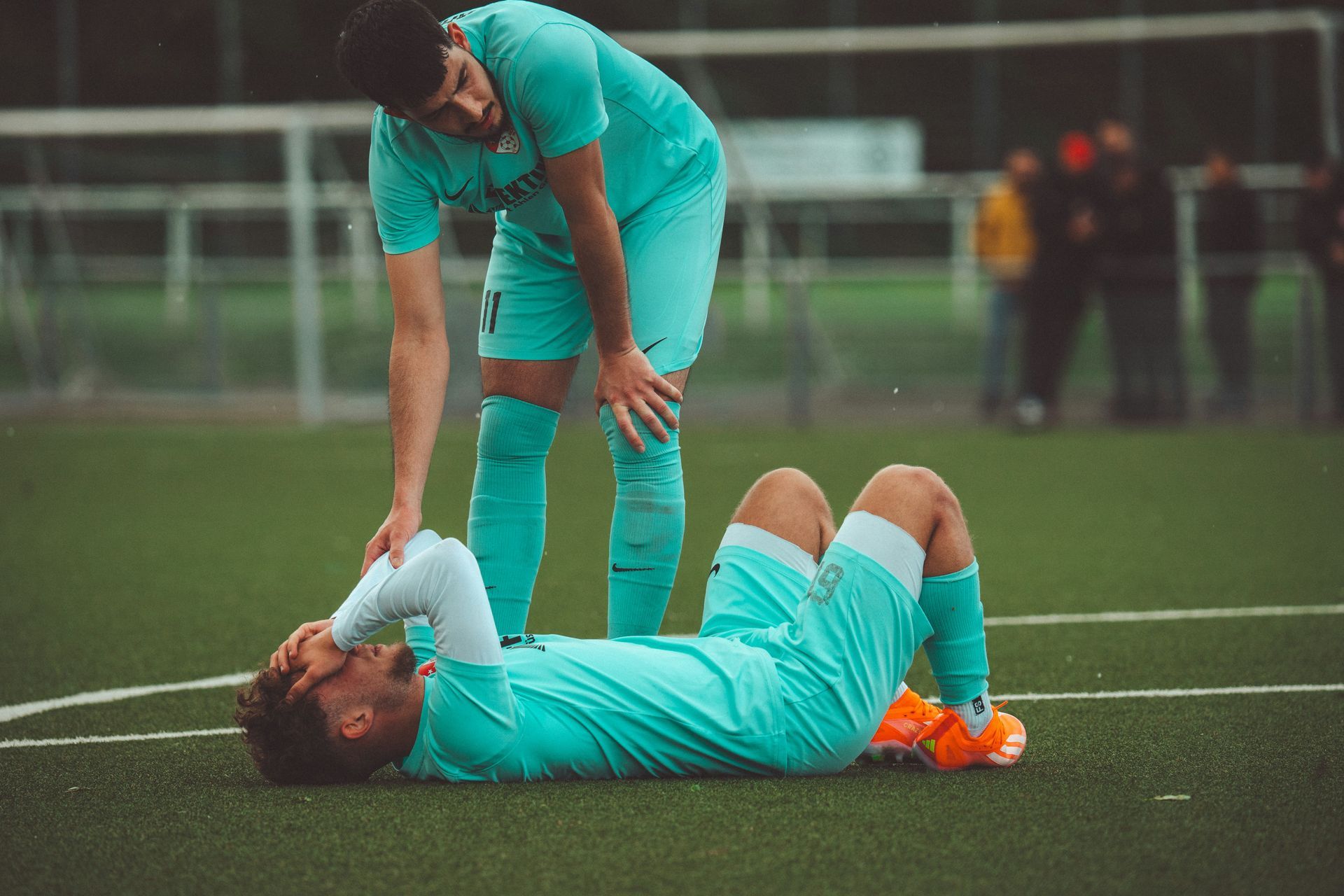
One moment you're playing the game you love. The next, you're on the ground, and you already know something is wrong. Then come the words no athlete wants to hear: torn ACL.
The physical recovery gets most of the attention: the surgery, the rehab, the timeline. But ask almost any athlete who has been through it, from a high school sophomore to a weekend warrior in their 40s, and they'll tell you the mental side was harder than they expected.
If you're in the middle of it, or supporting someone who is, here's why it's so tough, and what can help.
Why ACL Recovery Is So Hard on Your Mind
It's a long road. ACL recovery often takes nine months to a year or more. That's an entire season, sometimes two. Watching your team play without you, missing tryouts, or losing a year of your sport is a real loss—it feels like grief.
Your identity takes a hit. For many athletes, sport is more than an activity. It's who they are, where their friends are, and how they handle stress. When it's taken away, it can feel like part of you is missing. Adults feel this too, whether it's a competitive league, a running group, or the way they unwind after a long week.
Progress isn't a straight line. Some weeks you feel strong. Other weeks your knee is swollen, your range of motion stalls, or you feel like you're starting over. These setbacks can feel crushing.
Fear sneaks in. Even after you're cleared, many athletes worry about re-injury. You might hesitate to cut, jump, or trust your knee. This fear is very common, and it can quietly turn into ongoing anxiety that affects both recovery and return to play.
Isolation is real. When practices and games continue without you, it's easy to feel left out, forgotten, or like a burden to your team.
If any of this sounds like you, nothing is wrong with you. These are normal responses to a major life disruption.
Strategies to Stay Mentally Strong During Recovery
- Name what you're feeling. Frustration, sadness, anger, worry, and even boredom all make sense. Saying "this is really hard" out loud to a parent, teammate, coach, or friend takes some of the weight off.
- Focus on what you can control. You can't speed up healing, but you can show up to physical therapy, follow your plan, sleep well, and fuel your body. Small daily wins add up.
- Break the timeline into smaller goals. "Nine months" feels endless. "Get to 90 degrees of bend this week" feels doable. Celebrate each milestone, no matter how small.
- Stay connected to your team and your sport. Go to practices if you can. Help with stats, film, or cheering. Adults can stay involved by coaching, mentoring, or just showing up. You're still part of the team.
- Build an identity beyond your sport. This is a good time to explore something new, like a hobby, a skill, or time with people outside your sport. You're more than your athletic ability, and this season can remind you of that.
- Use mental skills, not just physical ones. Visualization, where you mentally rehearse your movements, is a well-known tool used by athletes. Breathing exercises and mindfulness can calm your body when worry spikes. Positive, realistic self-talk ("I'm doing the work, and I'm getting stronger") beats harsh self-criticism. All these tools will also help once the athlete is cleared back to play.
- Prepare for the return-to-play fear. Gradually rebuilding trust in your knee is part of the process. Talk with your physical therapist and coach about a step-by-step return, and be patient with yourself.
When to Consider Reaching Out for Help
Struggling during an injury is normal. But you don't have to push through everything alone. Consider talking with a professional if you or your child notice:
- Worry, dread, or fear that feels constant or hard to turn off
- Panic or intense anxiety about re-injury or returning to sport
- Loss of interest in things you used to enjoy
- Changes in sleep or appetite
- Pulling away from friends, family, or teammates
- Irritability or mood swings that feel out of character
- Trouble concentrating at school or work
- Feeling hopeless, or like recovery will never end
Parents, you may also notice a change in behavior before your athlete says anything. Trust that instinct.
Anxiety therapy can help athletes and active adults learn practical tools to manage worry, rebuild confidence, and work through the fear that often comes with injury. Working with a therapist or sports psychology professional doesn't mean you're weak. It's the same kind of support you'd give your body during rehab, applied to your mind. Many athletes find that anxiety therapy helps them come back not just physically ready, but mentally confident too.
You're Not Alone in This
An ACL injury tests your patience, your resilience, and your sense of self. But many athletes come out the other side with stronger mental skills, deeper perspective, and more confidence than they had before.
At Focus Therapy & Performance Coaching, we work with athletes, teams, and everyday people navigating anxiety, injury recovery, and the pressures that come with performing. With offices in Omaha and Blair, Nebraska, and telehealth available statewide, support is within reach wherever you are.
If you're struggling with anxiety during your recovery, or you're worried about someone you love, reach out. You don't have to do the hardest part of recovery alone.