Is It Anxiety, Depression, or Both? Anxiety Therapy in Omaha, NE for Understanding Overlapping Symptoms
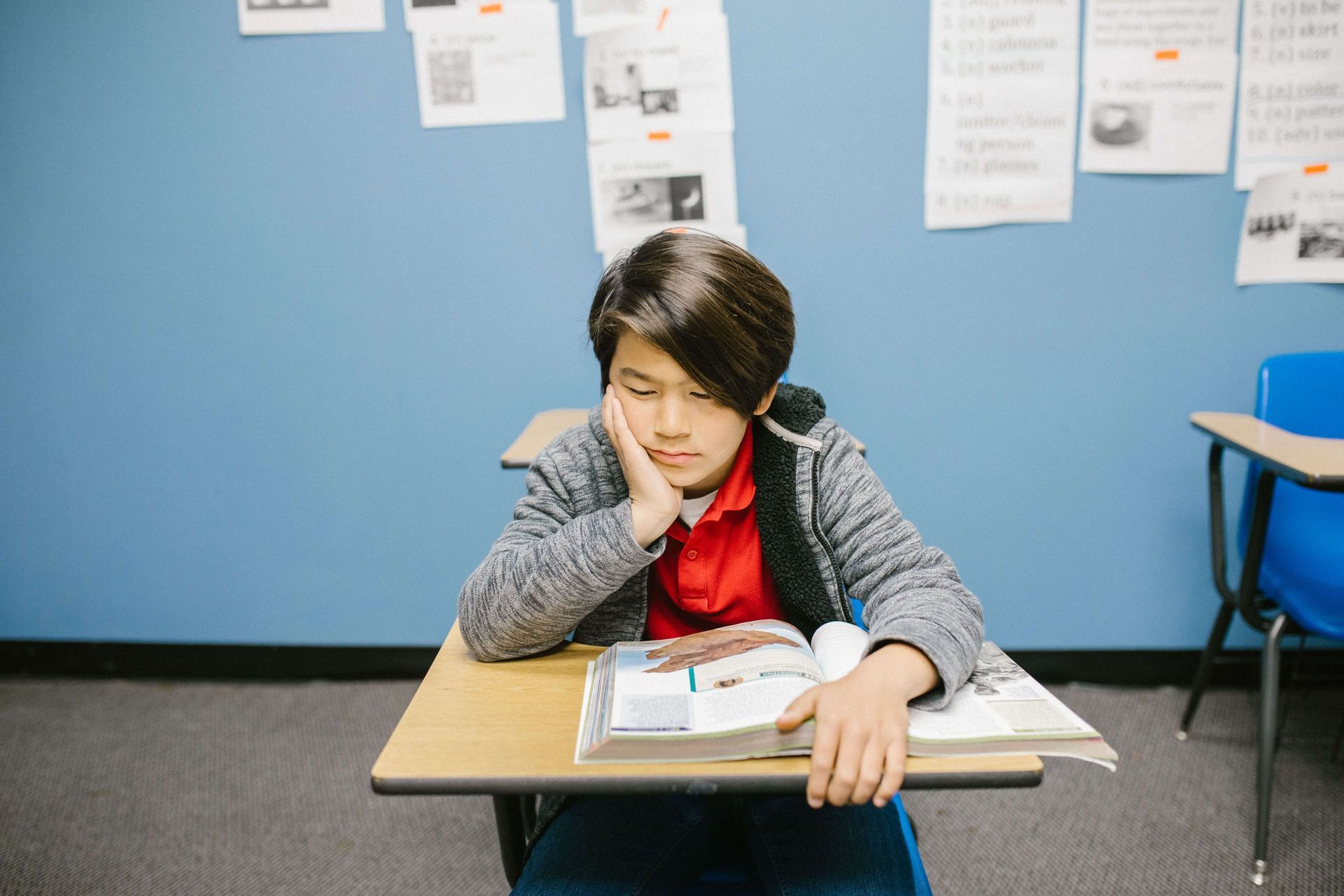
Your student used to be talkative at dinner. Now they barely say ten words. Is that depression? Or are they just anxious about something they haven't told you yet? Maybe it's both. Maybe you're not even sure where to start.
If you've been trying to figure out whether what your student is going through is anxiety, depression, or some tangled combination of the two, you're asking a smarter question than you might realize. These two conditions overlap so often that even experienced clinicians take time to sort them out.
At Focus Therapy & Performance Coaching, we offer anxiety and depression therapy for families across Omaha and Blair, Nebraska, who are navigating exactly this kind of uncertainty. Let's break down what's actually going on.
Why Anxiety and Depression Get Confused

Anxiety and depression are often talked about like they're opposites — one is "too much" energy and worry, the other is "too little" energy and motivation. In real life, they blend together constantly.
A student who's anxious about falling behind in school may stop turning in homework altogether, which looks a lot like depression's low motivation. A student who's depressed and exhausted may become anxious about everything they're failing to keep up with, which creates a wave of worry on top of the fatigue.
Researchers estimate that a large share of people with one of these conditions also meet criteria for the other. So if it feels hard to tell which one you're looking at, that's not a failure of observation — it's because the two genuinely intertwine.
Signs That Lean More Toward Anxiety
- Constant worry, especially about the future or things going wrong
- Racing thoughts, restlessness, or feeling "on edge"
- Physical symptoms — stomachaches, headaches, muscle tension, trouble sleeping from a racing mind
- Avoidance of specific situations (a class, a social event, a test) rather than everything in general
- Irritability that spikes around specific stressors
- A strong need for reassurance or control
Signs That Lean More Toward Depression
- Persistent low mood, sadness, or a sense of emptiness lasting most days
- Loss of interest in activities they used to enjoy
- Low energy or fatigue that isn't explained by lack of sleep
- Withdrawal from friends and family, even people they usually like being around
- Feelings of worthlessness or excessive guilt
- Changes in appetite or sleep — sleeping much more or much less than usual
Where They Overlap
Here's where it gets tricky. Both anxiety and depression can involve:
- Trouble concentrating or "brain fog"
- Sleep disturbances
- Irritability
- Fatigue
- Avoidance of school, friends, or responsibilities
- A drop in academic performance
A student staring blankly at their homework at 10 p.m. might be anxious and unable to focus because their mind is racing. Or they might be depressed and unable to focus because nothing feels like it matters. From the outside, it can look nearly identical.
Why the Distinction Actually Matters

You might be wondering — if the symptoms overlap this much, does it even matter which one it is? It does, because the most effective approach can differ depending on what's actually driving the symptoms.
Anxiety often responds well to strategies that build tolerance for uncertainty and gradually face feared situations rather than avoid them. Depression often responds better to strategies that rebuild activity, connection, and a sense of accomplishment, since withdrawal tends to deepen depressive symptoms rather than relieve them.
And when both are present — which is common — treatment usually needs to address both at once, rather than assuming one will resolve if the other improves.
What Helps, Regardless of Which It Is
A few things that tend to help students dealing with either condition, or both:
A proper assessment. A thorough clinical conversation — not a quiz your student found online — helps sort out which symptoms are driving the picture and whether other factors (sleep, stress, family changes, academic pressure) are contributing.
Consistent, low-pressure conversation at home. Students are far more likely to open up during a car ride or a walk than during a sit-down "we need to talk" moment. Keep the door open without forcing it.
Small, achievable steps rather than big pushes. Whether it's anxiety or depression, overwhelming a student with "just do more" rarely helps. Small wins — one assignment, one short outing with a friend — rebuild momentum more effectively than big asks.
Professional support that treats the whole picture. A therapist who understands how anxiety and depression intersect can help your student (and you) stop guessing and start working with an actual plan.
You Don't Have to Diagnose This Yourself
Parents often feel pressure to figure out exactly what's wrong before reaching out for help. You don't have to have it figured out. That's what the assessment process is for.
Focus Therapy & Performance Coaching offers anxiety and depression therapy for students and families across Omaha, Blair, and statewide via telehealth. Whether your student is dealing with anxiety, depression, or a mix of both, our clinicians can help identify what's really going on and build a plan that actually fits.
Ready to get some clarity and support for your student? Reach out to Focus Therapy to schedule a consultation.

Support for Anxiety and Depression in Omaha, NE
Is your student struggling with worry, low mood, fatigue, motivation, or changes in their usual behavior? When anxiety and depression share similar symptoms, it can be difficult for parents to understand what their child is experiencing or know what kind of support they need. At Focus Therapy, anxiety and depression therapy in Omaha, NE, can help students better understand their emotions, recognize patterns in their symptoms, and build healthy ways to cope.
Here’s how therapy can help:
- Schedule a consultation.
- Begin anxiety and depression therapy designed around your student’s individual needs and concerns.
- Help your student develop practical coping skills for managing worry, low mood, stress, and emotional challenges.
An
anxiety therapist can provide personalized support when a student’s symptoms are affecting their schoolwork, relationships, motivation, or day-to-day life.
Mental Health Support Tailored to Your Needs at Focus Therapy
At Focus Therapy, clients can receive support for a variety of mental health concerns and life experiences, including ADHD, depression, postpartum concerns, trauma, PTSD, body image and self-esteem, parenting challenges, and major life changes.
Your therapy experience can be shaped around your individual concerns, goals, and circumstances. Treatment may incorporate approaches such as EMDR, trauma-informed care, and other evidence-based methods to help you better manage difficult emotions, develop effective coping strategies, and move through challenges with greater confidence.
Meet Your Anxiety Therapist in Omaha
Becky Meline is a licensed clinician and Sports Psychology-certified Mental Game Coach with over 14 years of experience supporting children, teens, and adults. As a former collegiate volleyball player and Coyote Hall of Fame inductee, she understands firsthand the pressure of competition and the mental demands that can affect an athlete’s confidence and performance.
Becky founded Focus Therapy in 2017, combining her mental health and performance coaching backgrounds to help clients navigate challenges, build greater self-belief, and develop practical strategies for reaching their personal, academic, and performance goals.