Mental Strength and Tough Coaches: Staying Confident Under Pressure in Omaha, NE
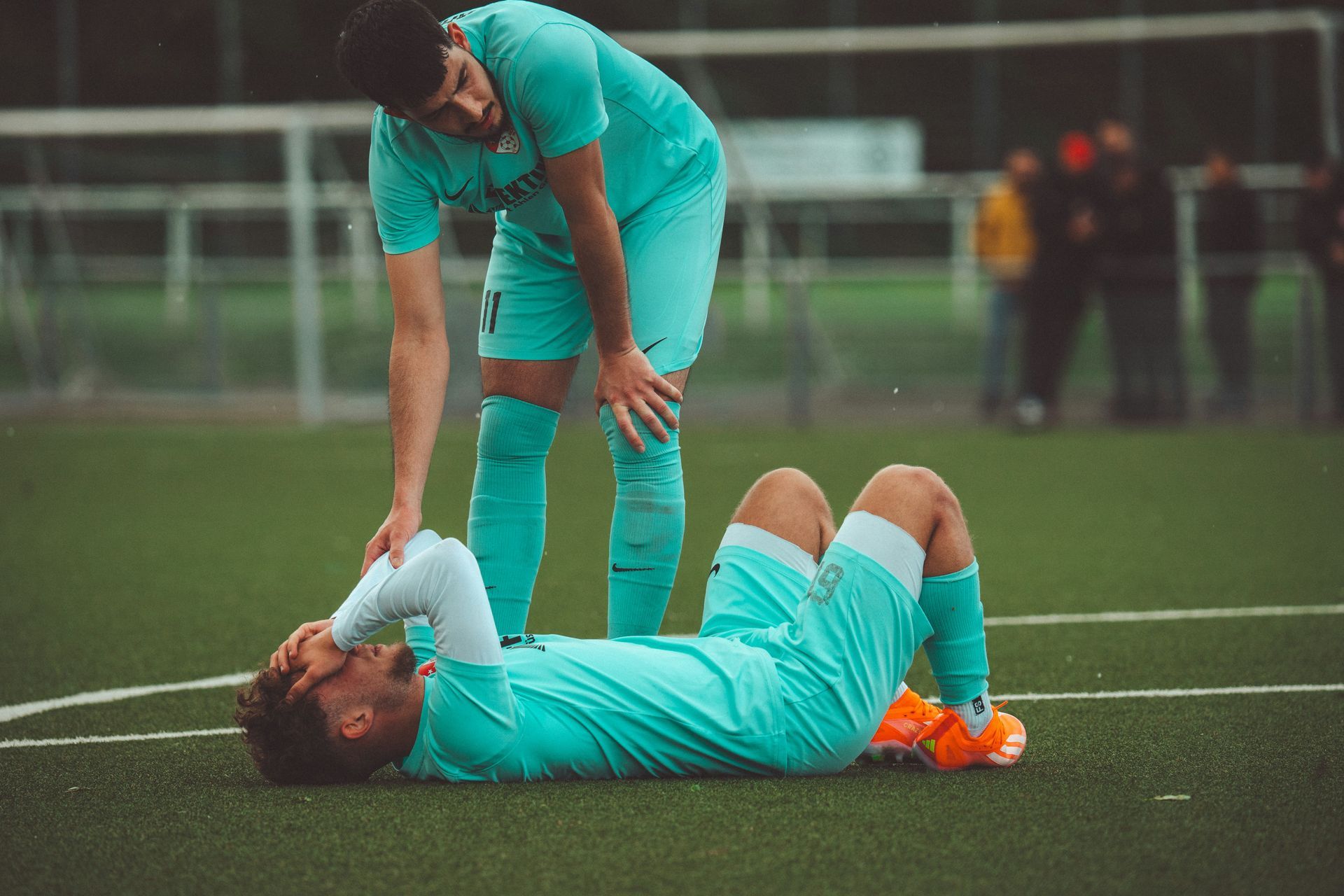
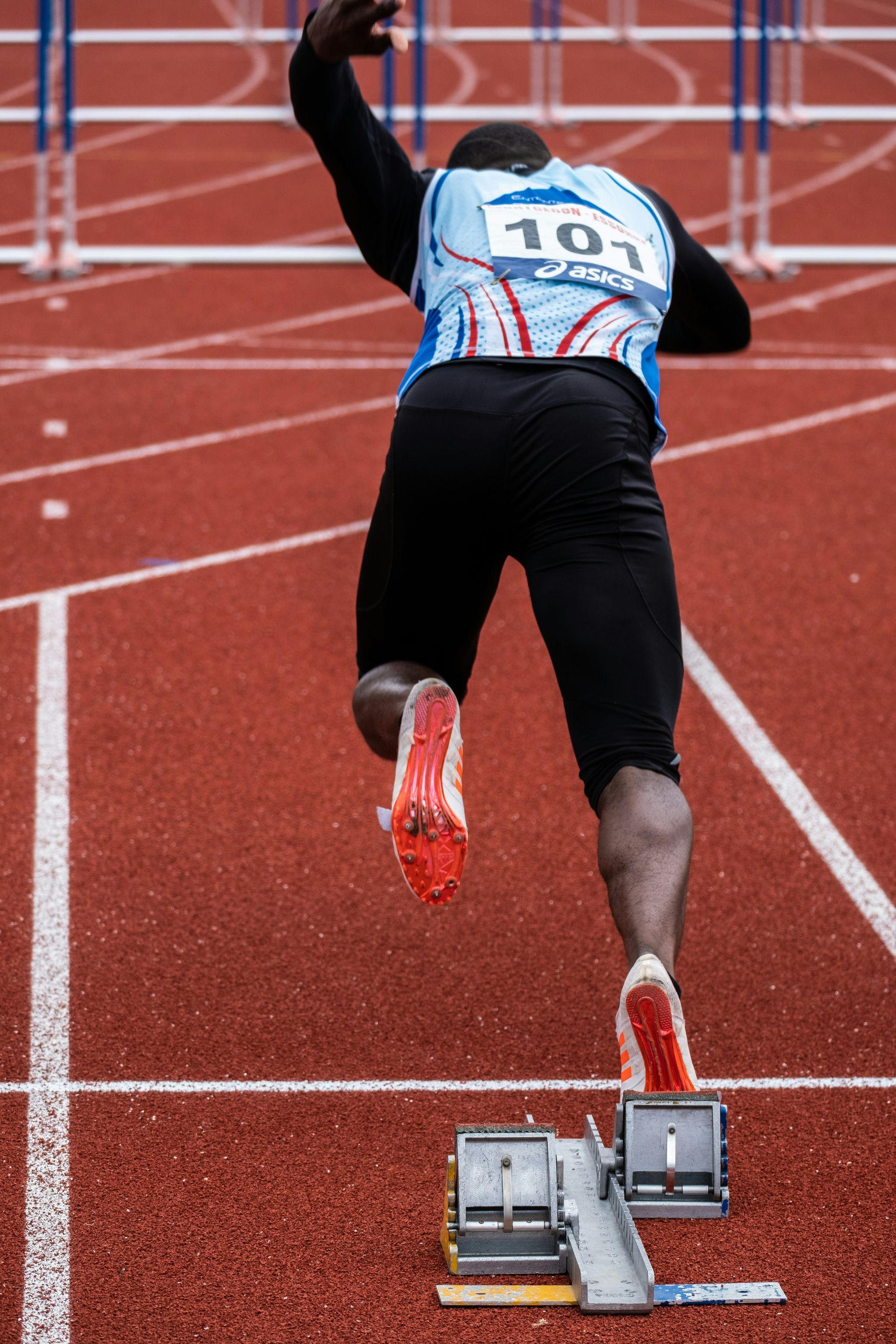
You know the moment. The game is tied, your coach yells your name, and your stomach drops. Your hands get shaky, your mind races, and suddenly the skill you've practiced a thousand times feels impossible.
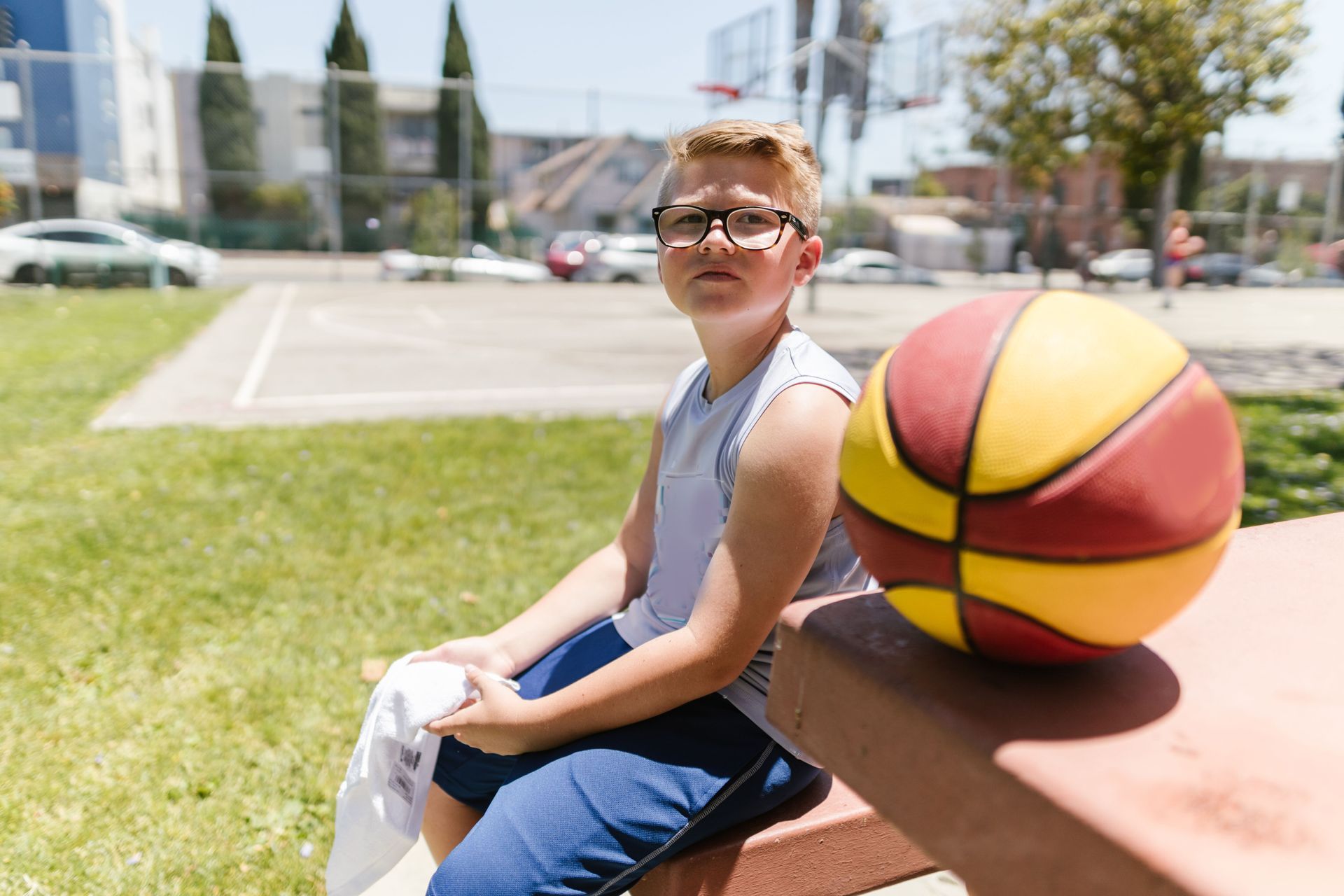
Whether you're a middle schooler on a club volleyball team, a high school wrestler, a travel baseball player, or an adult in a competitive league, pressure shows up in every sport. Across Omaha and the Metro, athletes of all ages are working to stay confident when it matters most. If that's you, or your child, you're not alone, and it isn't a sign of weakness.
Why Mental Strength Is Harder for Kids Today
Young athletes face pressures that looked very different a generation ago. Understanding them is the first step to handling them.
Constant comparison. Social media turns every game into a highlight reel. Kids see teammates' best plays, commitment announcements, and stat lines all day long, and it's easy to feel behind.
Year-round, high-stakes sports. Many kids now specialize early and play one sport all year. Every tryout, showcase, and game can feel like it decides their future, which leaves little room for rest or mistakes.
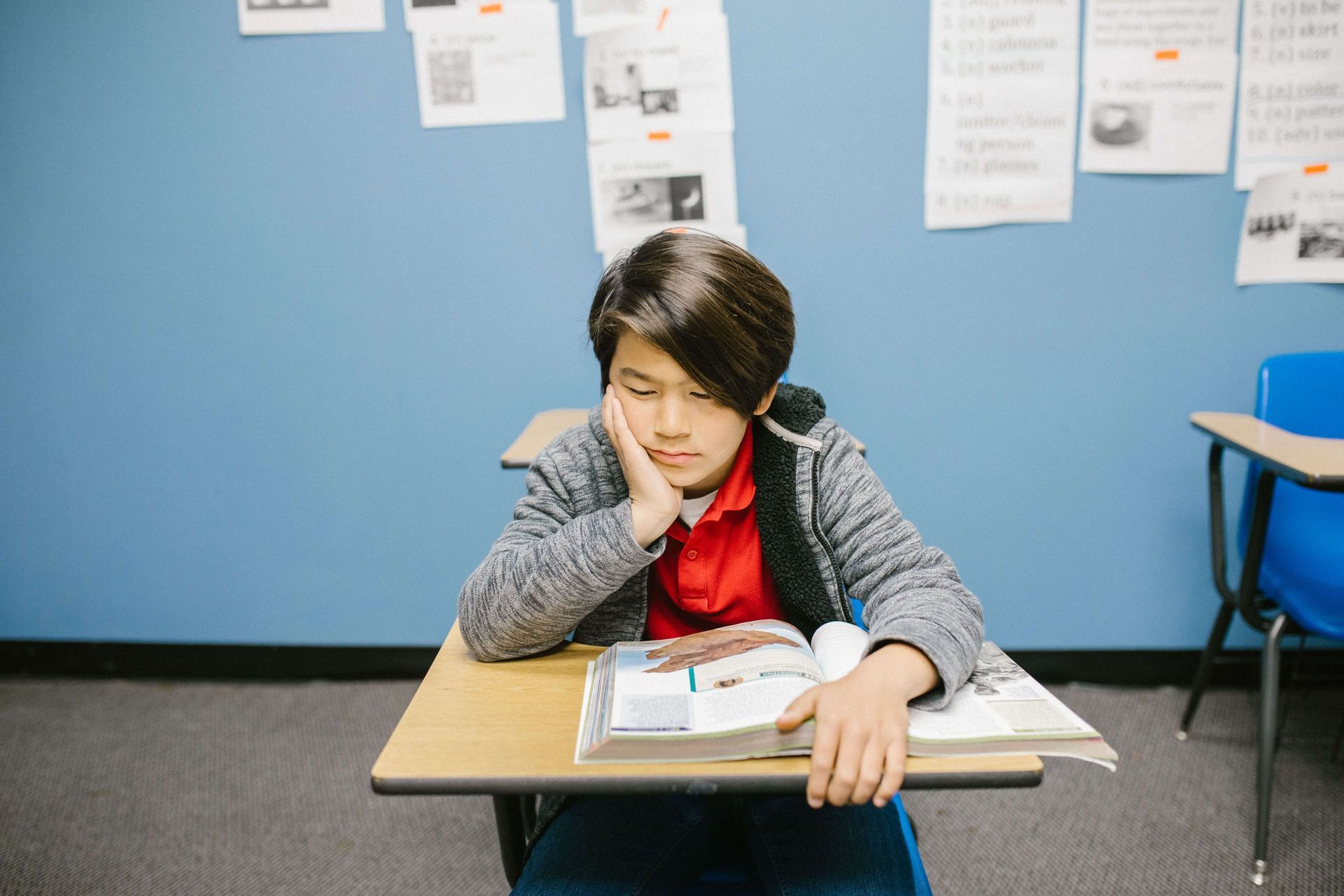
Less downtime. Between practices, school, tournaments, and screens, many kids rarely get true breaks. A tired brain has a harder time managing stress, and anxiety builds.
Fear of letting people down. Kids often worry about disappointing parents, coaches, and teammates. That fear can overshadow the joy of playing.
The result is that many young athletes feel anxiety before games, freeze in big moments, or start to doubt themselves, even when they're skilled and hardworking.
Tough Coaches: Helpful Challenge or Too Much?
Good coaches hold athletes to high standards. Being pushed, corrected, and challenged is part of how athletes grow. Many adults can name a tough coach who made them better.
But tough feedback can land differently depending on the athlete. A sharp comment or a benching that one player shrugs off can stay with another for days. Kids, especially, tend to hear criticism as "I'm not good enough" rather than "here's something to work on." Adults aren't immune either. Plenty of grown athletes still carry a coach's words with them.
The goal isn't to avoid tough coaches. It's to learn how to take in the feedback that helps, let go of what doesn't, and stay steady in between.
Strategies to Stay Confident Under Pressure
- Separate feedback from identity. A correction is about a skill, not about who you are. Try telling yourself, "That's something I can work on," instead of "I'm bad at this."
- Breathe to calm your body. When nerves spike, slow your breathing: in for four counts, out for six. Longer exhales help signal your body that it's safe to settle.
- Build a reset routine. After a mistake, take a breath, use a cue word like "next," and move on. A short, repeatable routine keeps one error from turning into five.
- Focus on the process, not the outcome. Instead of thinking about winning or who's watching, focus on the next pitch, the next serve, the next step. You can control effort and attention, not the scoreboard.
- Talk to yourself like a teammate. Would you tell a friend they're terrible after a mistake? Replace harsh self-talk with something realistic and encouraging: "I've done this before; I can do it again."
- Ask your coach questions. Athletes are often surprised by how well a coach responds to "What can I do to improve this?" It turns criticism into a conversation and helps you understand what your coach is looking for.
- Protect rest and sleep. Mental strength depends on a rested body and brain. Sleep, good food, and time away from your sport are part of training, too.
- Limit the comparison game. Take breaks from social media, especially around games and tryouts. Measure your progress against your own past performance.
When to Reach Out for Help
Nerves are normal. But it may be time to get support if you or your child notice:
- Anxiety before games or practices that feels overwhelming or won't go away
- Stomachaches, headaches, or trouble sleeping tied to sports
- Freezing, panicking, or avoiding competition
- Losing the joy of a sport they once loved
- Harsh self-criticism or a drop in confidence that lingers
- Withdrawing from friends, family, or teammates
Working with a sports psychology professional or seeking
anxiety therapy can give athletes practical tools to manage pressure, bounce back from mistakes, and build lasting confidence. It's not about fixing something "wrong." It's about strengthening the mental side of your game, just like you'd strengthen your body.
You Can Build Mental Strength
Confidence under pressure isn't something you're simply born with. It's a skill, and like any skill, it can be trained. With the right strategies and support, athletes can learn to handle tough coaches, big moments, and the pressures of today's sports culture.
At Focus Therapy & Performance Coaching, we work with athletes, teams, and families to manage anxiety, build resilience, and perform with confidence. With offices in Omaha and Blair, Nebraska, and telehealth available statewide, we're here to help. If you or your athlete are feeling the pressure, reach out today.