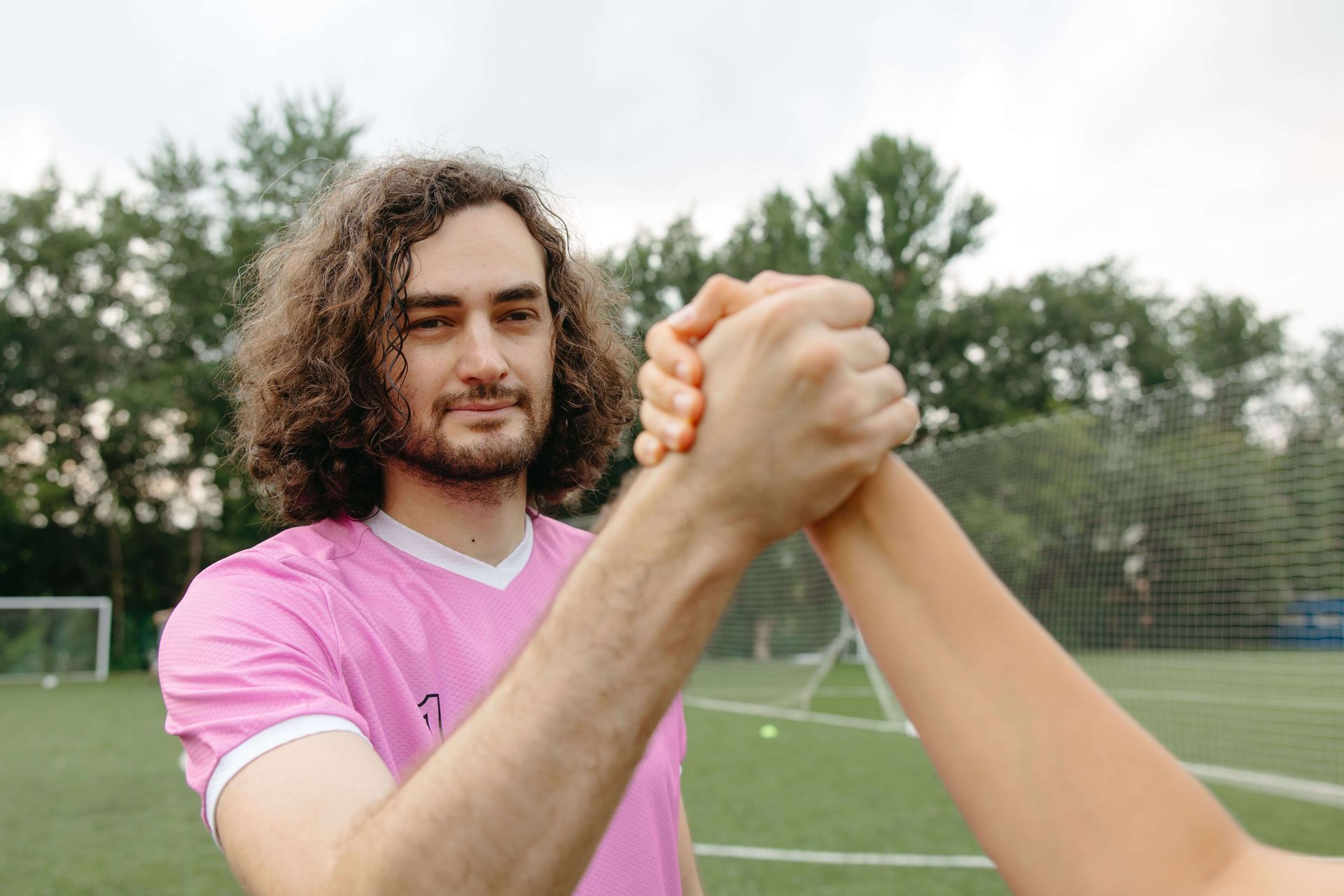
The Anxiety Behind Wanting to Be the Best: Sports Anxiety Therapy in Omaha, NE for High-Achieving Athletes
.You're the one who shows up early. You watch the film nobody makes you watch. You're the first to volunteer for extra reps, the one your coach points to as an example, the one your teammates look up to. On paper, you're exactly what every program wants.
So why does it feel like you're constantly one bad game away from falling apart?
This is the side of high achievement nobody talks about enough: the anxiety that comes from wanting to be the best. It doesn't look like weakness from the outside. It looks like drive, discipline, focus. But underneath it, for a lot of top-performing athletes, there's a current of fear running the whole show — fear of falling short, fear of disappointing people, fear of losing the identity you've built around being "the good one." This is where anxiety therapy in Omaha, NE, can help.
Wanting to Be Great and Being Anxious Aren't Opposites
Here's something that trips up a lot of high-achieving athletes: they assume their anxiety and their drive are two completely separate things. Like the anxiety is some annoying glitch getting in the way of their real ambition.
But for a lot of elite performers, they're actually tangled together. The same intensity that makes you want to be great is often the same intensity that makes a bad rep feel like a crisis. The same standards that push you to outwork everyone else are often the same standards that leave zero room for being human.
This doesn't mean your ambition is the problem. It means your ambition has picked up a passenger somewhere along the way — a passenger that's convinced you that anything less than exceptional is failure, and that your worth is only as good as your last performance.
What This Anxiety Actually Sounds Like

.If you're a high achiever, your anxiety probably doesn't look like obvious panic. It's sneakier than that. It sounds like:
- "If I don't perform well today, what does that say about me?"
- "Everyone's watching to see if I regress."
- "I can't let people down — again."
- "One bad outing and I've lost everything I've built."
- A stomach that's in knots before competitions that, on paper, you're more than prepared for.
- Struggling to actually enjoy your success, because you're already worried about the next thing you have to prove.
Sound familiar? This isn't just "competitiveness." It's a nervous system that's constantly bracing for the worst, even when you're performing at a genuinely high level.
The Trap of Tying Your Worth to Your Performance
A lot of high-achieving athletes, somewhere along the way, learned that their value came from what they produced. Maybe it was praise that only showed up after a win. Or maybe it was a coach or parent whose mood shifted with your stat line. Maybe it was just the culture of competitive sports itself, which rewards results and rarely stops to ask how you're doing underneath them.
Whatever the source, the outcome is the same: your sense of self starts to ride entirely on your last performance. And when your worth is on the line every single time you compete, of course your body is going to treat competition like a threat.
This is exhausting to live with — and it's not sustainable long-term, even for the most talented athletes. Burnout, dips in performance, and even walking away from a sport you love are common outcomes when this pattern goes unaddressed.
Separating the Athlete From the Performance

.The goal isn't to want less. High standards aren't the enemy. The goal is learning to separate your identity and your worth from any single outcome, so your ambition can drive you without anxiety hijacking the wheel.
This looks like learning to ask, after a rough performance, "What can I learn from this?" instead of "What does this say about me?" It looks like building confidence that isn't contingent on your last result. It looks like being able to walk off the field proud of your effort and your growth, even on a day the scoreboard didn't go your way.
This is exactly the work that sports anxiety therapy focuses on: not lowering your ambition, but untangling it from the anxious, self-worth-driven fear that's been riding shotgun the whole time. When athletes do this work, they don't get complacent — they often get better, because they're finally performing from a place of confidence instead of fear.
You Can Want Greatness Without Carrying This Much Weight
If you've ever wondered why the drive that makes you great also seems to make you miserable, you're not broken, and you're not alone. High-achieving athletes carry a specific kind of pressure that's rarely talked about honestly — the pressure of being the one everyone expects to already have it figured out.
You don't have to choose between being ambitious and being at peace. With the right support, it's entirely possible to keep the fire that drives you while finally putting down the fear that's been fueling it.
Ready to compete without carrying so much weight? Our team of therapists offers sports anxiety therapy and performance coaching for athletes throughout Omaha and Blair, Nebraska, along with telehealth options across the state. Reach out to Focus Therapy today to start building a mental game that lets you chase greatness without anxiety running the show.
Support for Sports Performance Anxiety in Omaha, NE
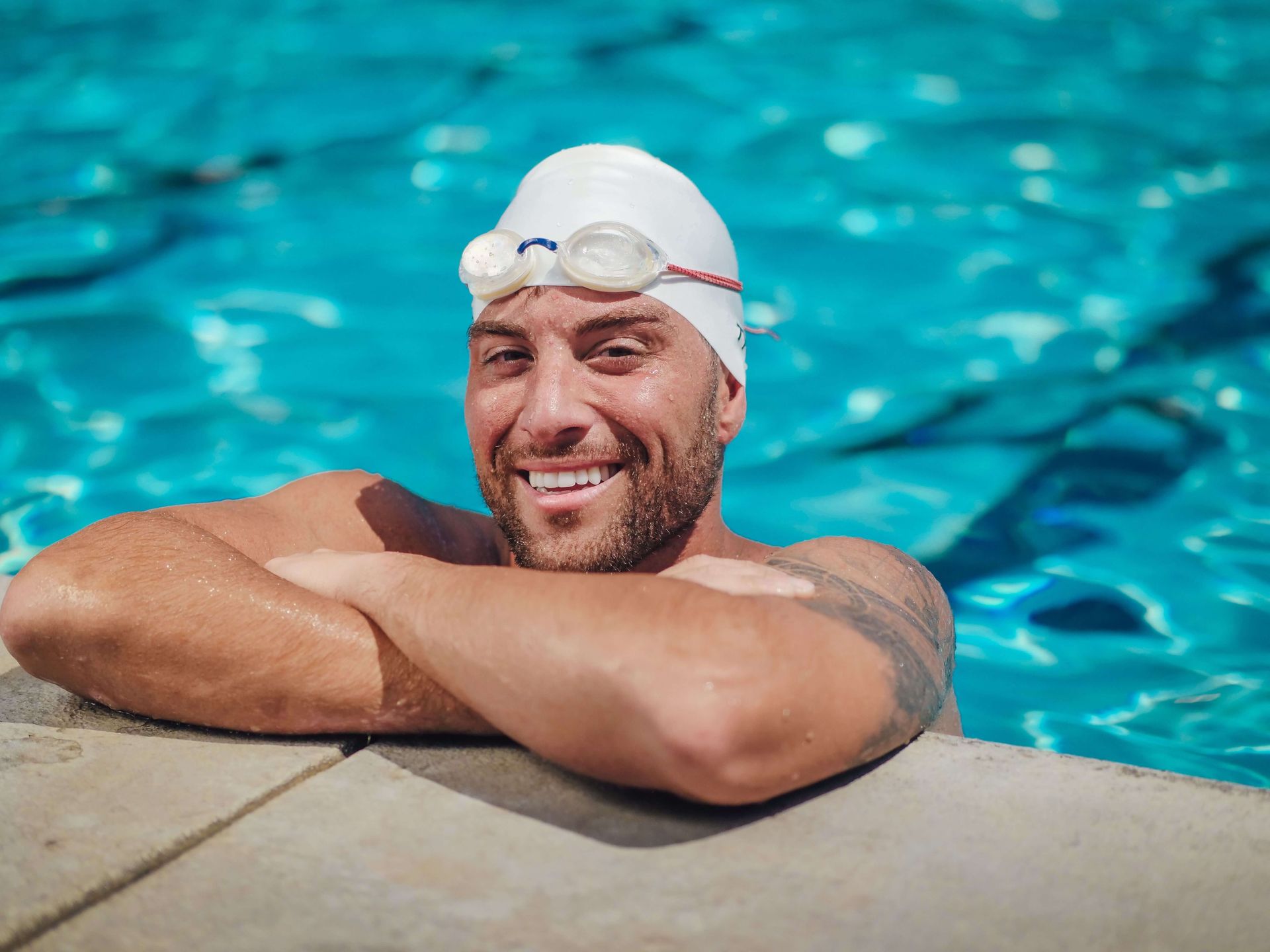
High expectations can motivate athletes, but they can also create anxiety, perfectionism, and fear of failure. At Focus Therapy, sports performance anxiety therapy in Omaha, NE, can help athletes manage pressure, strengthen confidence, and develop healthier performance habits.
Here’s how to get started:
- Schedule a consultation.
- Begin sports performance anxiety therapy.
- Build confidence and learn strategies for managing performance pressure.
An anxiety therapist can help you navigate the anxiety that comes with high athletic expectations.
Comprehensive Mental Health Care at Focus Therapy
Focus Therapy offers support for concerns beyond anxiety, including ADHD, depression, postpartum concerns, trauma, PTSD, body image and self-esteem, parenting challenges, and major life changes.
Care is tailored to each client and may incorporate EMDR, trauma-informed therapy, and other evidence-based approaches. The goal is to build practical coping skills, improve emotional well-being, and help you move forward with greater confidence.
Meet the Anxiety Therapist Behind Focus Therapy
Becky Meline is a licensed clinician and Sports Psychology-certified Mental Game Coach with over 14 years of experience supporting children, teens, and adults. As a former collegiate volleyball player and Coyote Hall of Fame inductee, she understands the mental demands athletes face and brings that perspective into her work.
Becky founded Focus Therapy in 2017, combining clinical therapy with performance coaching to help clients manage challenges, develop confidence, and work toward their goals.