Grief After Injury, Loss, or Major Change: Grief & Anxiety Therapy for Athletes in Omaha, NE
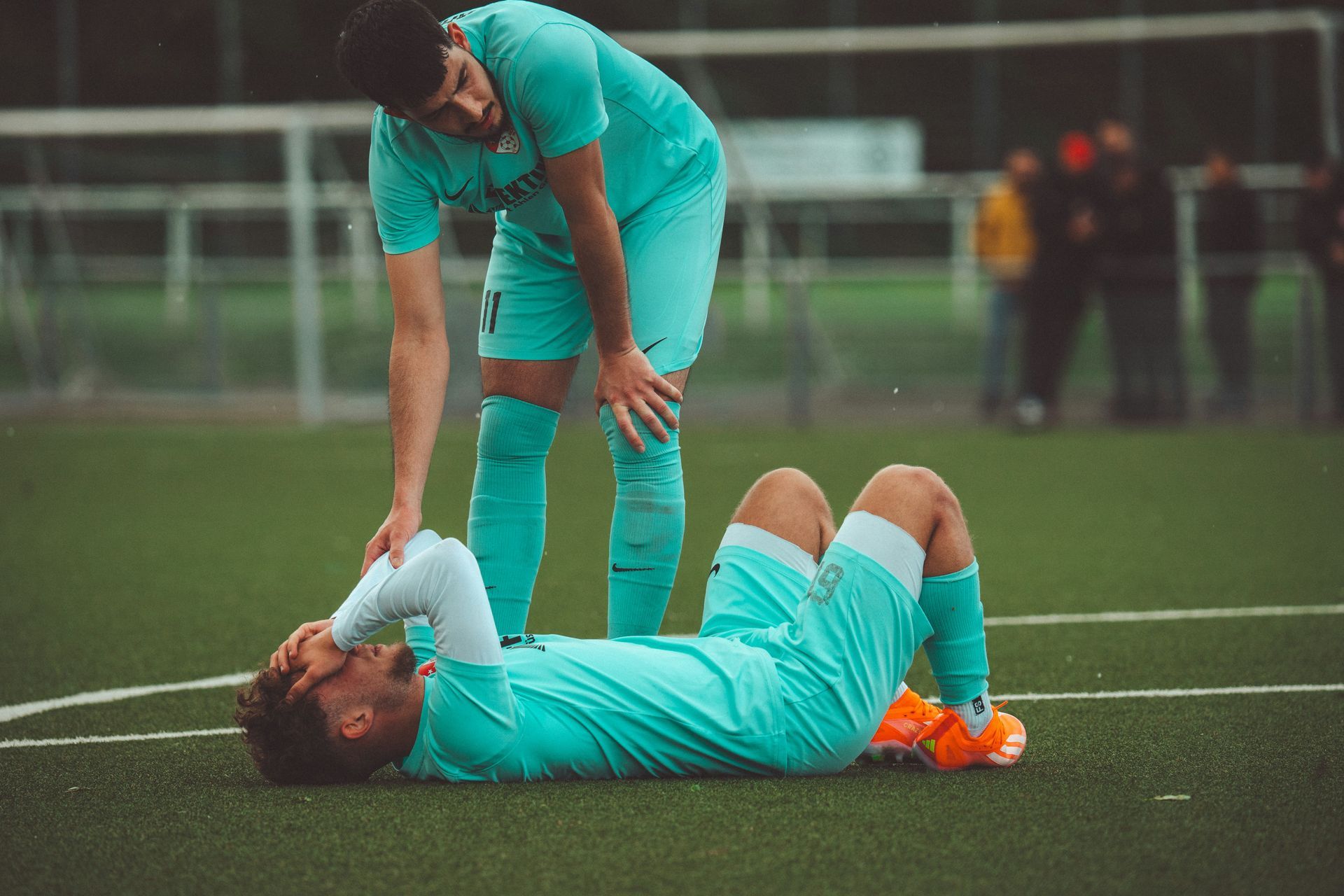
When most people hear the word “grief,” they think of losing a loved one. But if you’re an athlete who’s been sidelined by an injury, forced into early retirement, cut from a team, or hit with a major life change—you know that grief shows up in plenty of other ways too. And often, right alongside that grief, comes anxiety that can feel just as intense as anything happening on the field, court, or track.
As both a mental performance coach and a therapist, I see this combination constantly with athletes here in Nebraska. The physical recovery gets all the attention—the rehab schedule, the return-to-play timeline, the strength benchmarks. But the emotional recovery? That part often gets overlooked, even though it can be just as demanding.
Why Injury and Major Change Can Feel Like Loss
Let’s start here, because this is the piece that often surprises athletes the most: grief after injury is real grief. It’s not “just in your head,” and it’s not something you should feel silly about.
Think about what an injury, a major setback, or a big life transition can take away:
- Your routine and sense of identity (“I’m a player” suddenly becomes “I’m injured”)
- Your connection to teammates and coaches
- Your goals, momentum, or season
- Your sense of control over your own body
- Your vision of what your future was supposed to look like
That’s a lot of loss happening all at once. And when our brains experience loss—any kind of loss—it makes sense that grief shows up. The challenge is that grief after injury or major change often doesn’t get acknowledged the way other forms of grief do. People might say “just focus on rehab” or “you’ll be back before you know it,” without recognizing the emotional weight underneath.
How Grief and Anxiety Show Up Together for Athletes

Here’s where things get tricky: grief and anxiety often travel together, especially for athletes navigating emotional recovery. You might notice:
- Anxiety about whether you’ll ever perform at the same level again
- A racing mind during rehab, replaying the moment of injury over and over
- Irritability or anger that seems to come out of nowhere
- Trouble sleeping, especially the night before appointments or workouts
- A sense of dread about returning to competition
- Feeling disconnected from your team, your sport, or even your sense of self
If any of this sounds familiar, I want you to hear this clearly: this is a normal response to an abnormal disruption. Your mind and body are adjusting to a major change, and anxiety is often what that adjustment feels like from the inside.
What Anxiety Therapy Looks Like for Athletes in Nebraska
This is where grief and anxiety therapy in Omaha, NE, comes in—not as something separate from your athletic identity, but as a key part of your overall recovery. Here’s what that process tends to look like:
- Making space for the grief. Before we can work on anxiety, we have to acknowledge what’s actually being grieved—whether that’s a season, a role on the team, a sense of physical confidence, or even a piece of your identity. Naming it takes away some of its power.
- Calming the nervous system. Anxiety lives in the body just as much as the mind. We work on practical tools—breathing techniques, grounding strategies, and ways to manage the racing thoughts that tend to show up during rehab or before re-entering competition.
- Rebuilding confidence, step by step. One of the hardest parts of emotional recovery is trusting your body again. Therapy and mental performance coaching work together here— helping you process the fear while also rebuilding the mental skills (focus, visualization, self-talk) that support a confident return.
- Redefining your identity, if needed. Sometimes major change means stepping into a new role—whether that’s a different position, a coaching path, or life outside of competitive sports altogether. This part of the work helps you grieve what was, while also creating space for what’s next.
- Normalizing the ups and downs. Emotional recovery isn’t a straight line. Some days will feel like progress, and others will feel like a setback. Therapy gives you a space to process both, without judgment.
You Don’t Have to Push Through This Alone

If you’re an athlete in Nebraska dealing with grief after injury, loss, or major change—and anxiety has come along for the ride—please know that this doesn’t make you weak, and it doesn’t mean something is wrong with your mental game. It means you’re human, and you’ve been through something significant.
Anxiety therapy at Focus Therapy designed with athletes in mind can help you process the emotional side of recovery while supporting the performance side too. Whether you’re working through a season-ending injury, a difficult transition, or a change you didn’t see coming, healing is possible—and you don’t have to navigate it on your own.
If you’re ready for support that understands both the mental health side and the performance side of recovery, help from a grief and anxiety therapist is available here in Nebraska, in person and through telehealth. Your emotional recovery matters just as much as your physical one.
Start Grief Therapy for Athletes in Omaha, NE

Injury, loss, and major life changes can bring feelings of grief, anxiety, and uncertainty, especially for athletes navigating changes to their identity and goals. At Focus Therapy, grief therapy for athletes in Omaha, NE, provides a supportive space to process emotions, build coping skills, and move forward with confidence.
Here’s how to get started:
- Schedule a consultation to discuss your experiences, challenges, and therapy goals.
- Begin grief and anxiety therapy for athletes in Omaha, NE, with personalized support for emotional recovery.
- Develop tools to manage anxiety, process loss, and adapt to change.
You don’t have to navigate the emotional impact of injury or loss alone. An anxiety therapist can help you heal while finding your path forward.
Comprehensive Mental Health Support at Focus Therapy
Focus Therapy offers care for a variety of mental health concerns beyond anxiety and grief. Therapists support clients experiencing challenges related to ADHD, depression, postpartum experiences, trauma, PTSD, body image, parenting struggles, and other personal transitions.
Through evidence-based methods, including EMDR and trauma-focused approaches, Focus Therapy develops individualized treatment plans to help clients build resilience, manage emotions, and make meaningful progress toward lasting well-being.