
By: Becky Meline, LIMHP MGCP
The Pressure of Game Day
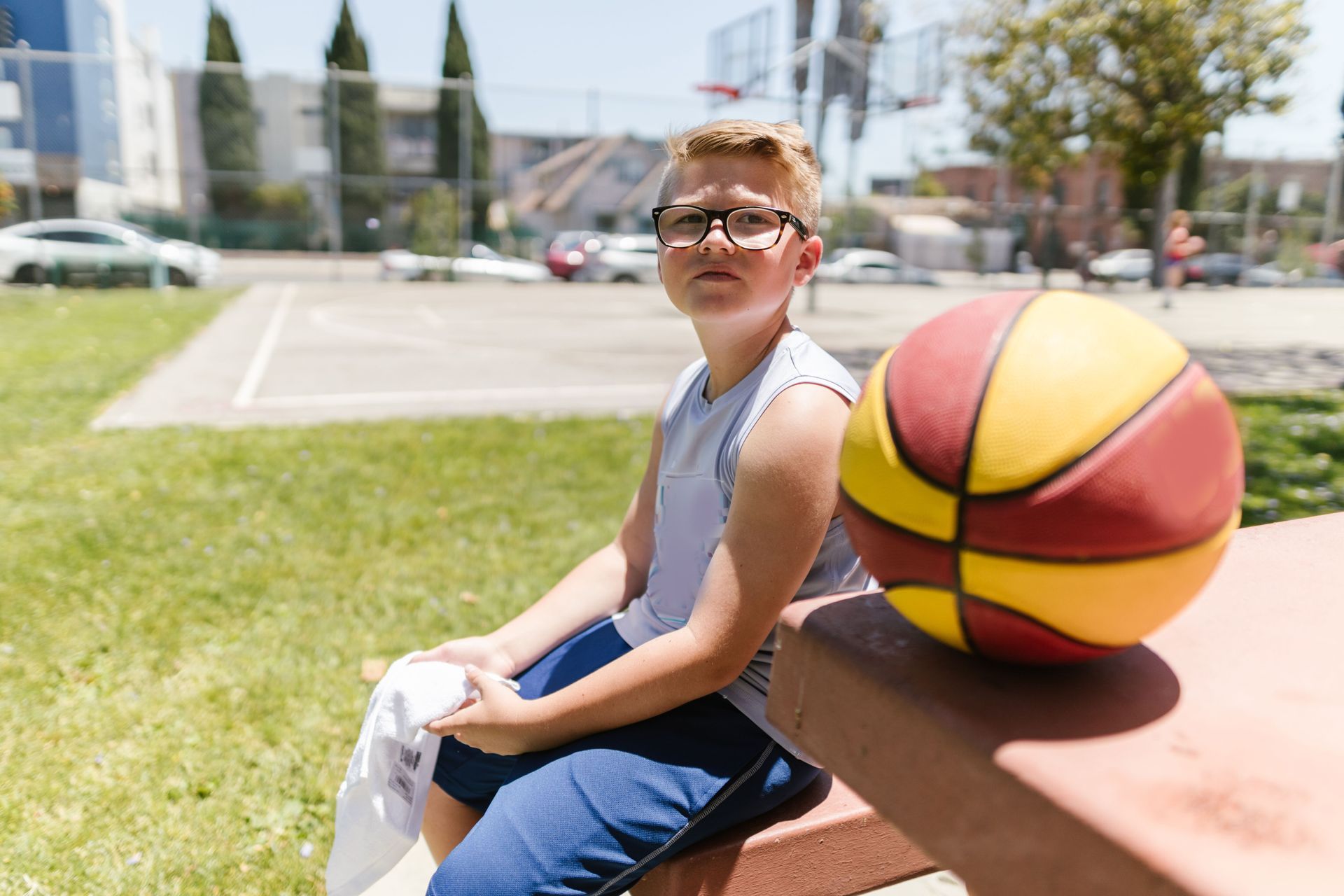
Picture this: it’s the night before the big game. Your stomach is tied in knots, and you can’t shut off the “what ifs.” What if I mess up? What if I let my team down? What if I’m not good enough?
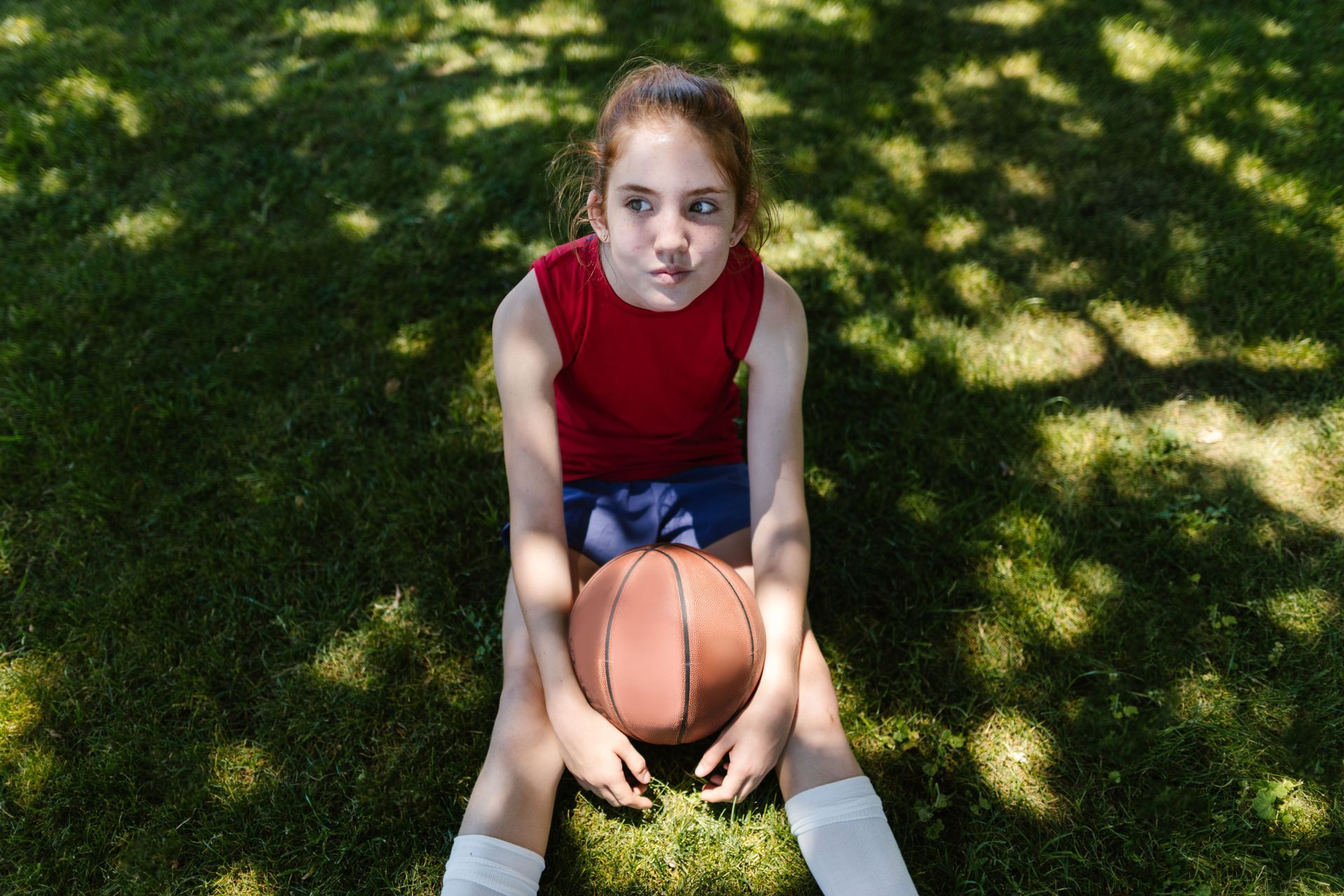
Every athlete has felt that way. The best learn to shift the pressure into power. Instead of fearing those nerves, they reframe them as fuel. That nervous energy is your body’s way of saying, “I’m ready.” When the whistle blows or the ball is served, focus on just one moment at a time. Not the score, not the outcome—just the play in front of you.
Some athletes use music, some use breathing, some use a special pre-game routine. Whatever grounds you, lean on it. Pressure doesn’t have to crush you—it can sharpen you.
Balancing the Books and the Ball
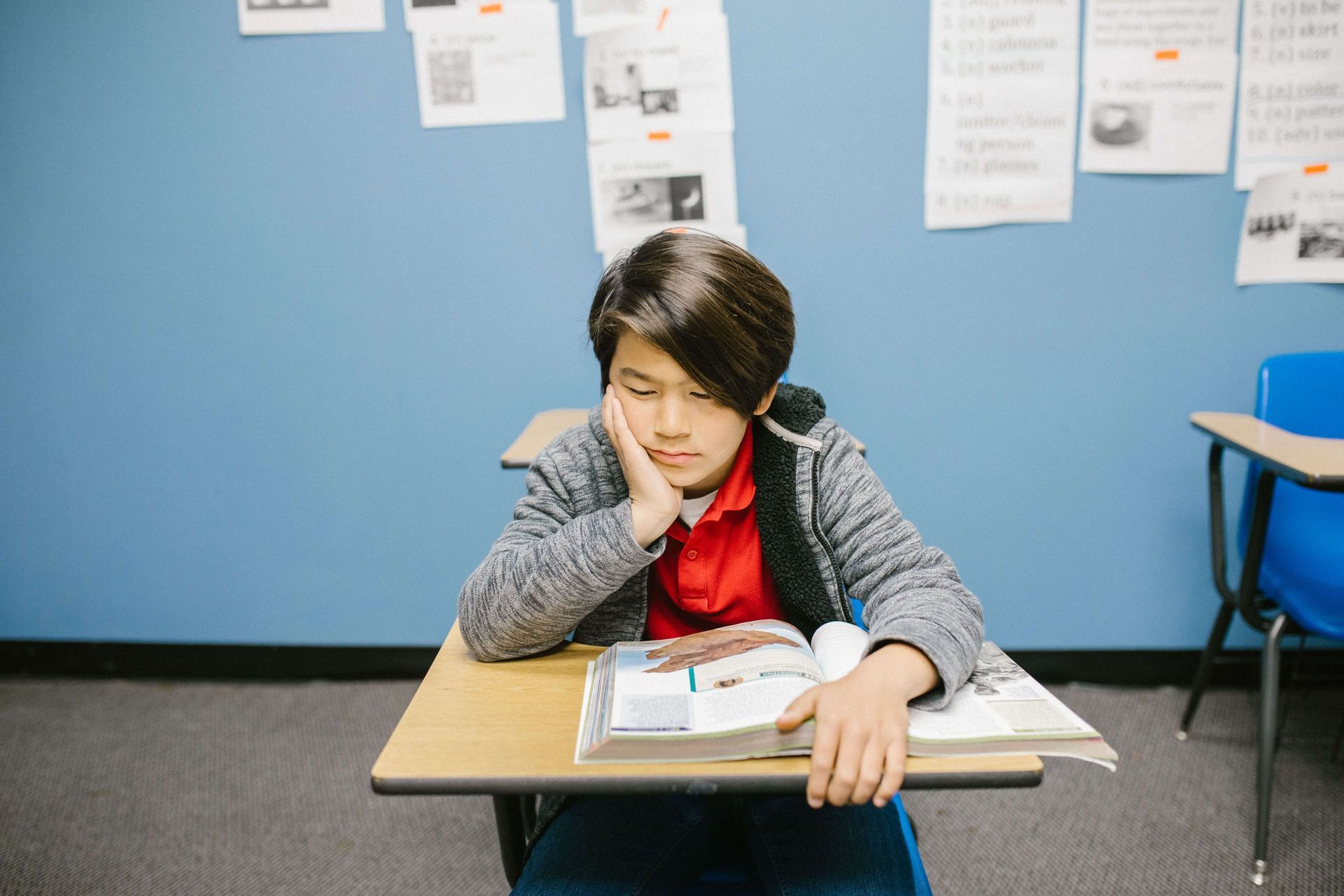
Of course, the challenge isn’t only on the field. It’s also in the classroom. Imagine finishing an away game late at night and realizing you still have an essay due the next day. That’s the balancing act of a student-athlete: your sport demands so much, but so does school.
Here’s where discipline becomes your greatest strength. A planner or calendar might not seem exciting, but it’s your lifeline. Breaking big assignments into smaller steps and using pockets of time—like studying on the bus or reviewing flashcards between classes—helps you stay ahead instead of drowning in deadlines.
And don’t forget: teachers and coaches are human too. If you communicate with them early, most will respect the effort you’re putting in. You don’t have to carry it all alone.
Don’t Lose Yourself in the Grind
It’s easy to feel like your identity is just “the athlete” or “the student.” But you are more than your GPA and more than your stats. Make time to laugh with friends, enjoy hobbies, or simply rest. Sleep, nutrition, and mental recovery are not luxuries—they’re essentials.
One day you’ll look back and realize the juggling act of being a student-athlete prepared you for so much more than sports or school. It taught you grit. It taught you balance. It taught you how to keep moving forward even when life is packed with pressure.
Final Word
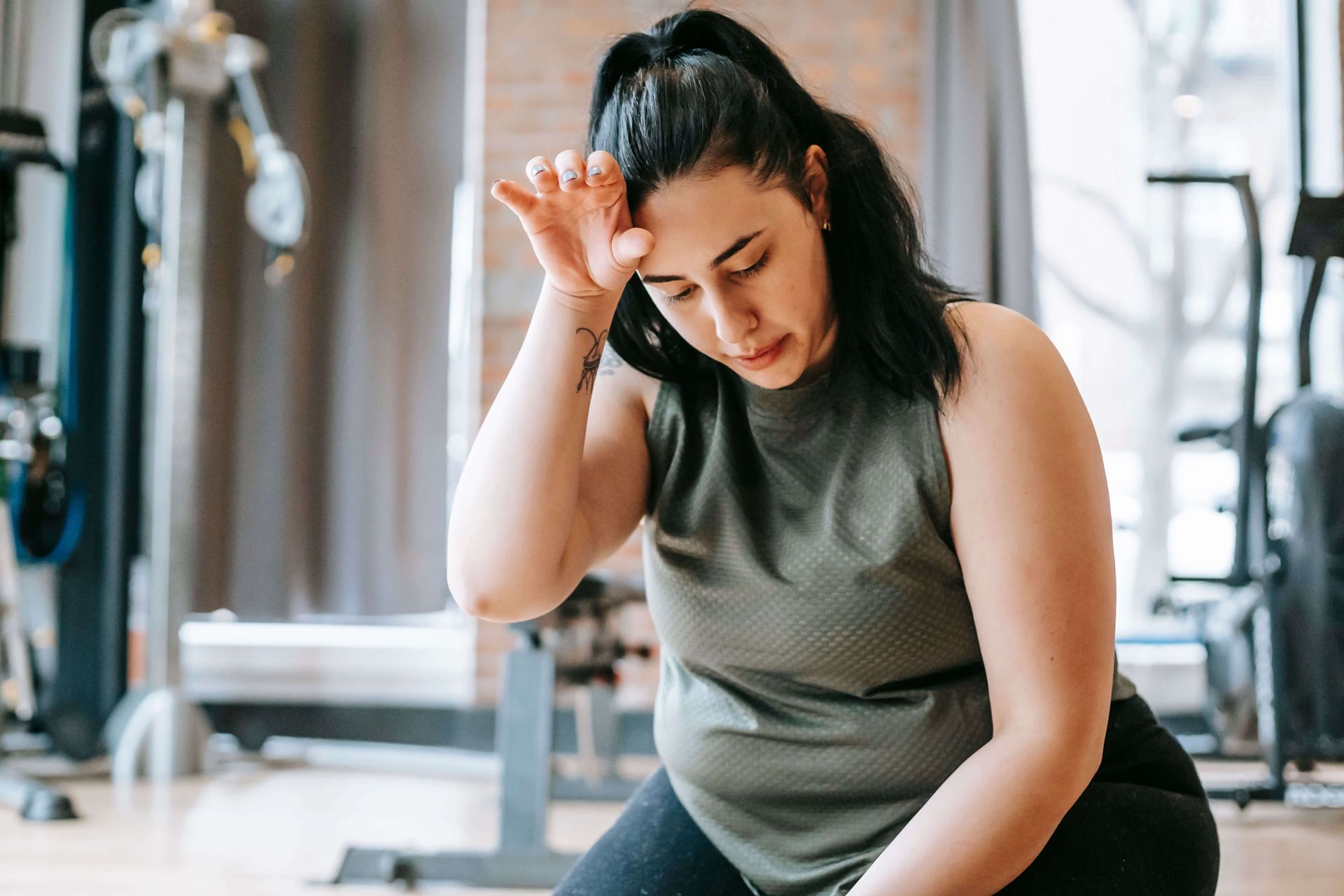
Being a student-athlete isn’t easy. You’ll have days where the weight feels too heavy. But remember: pressure is a privilege. It means people believe in you. It means you’ve worked hard enough to be trusted with responsibility. And when you learn to handle that pressure—both on the field and in the classroom—you’ll carry those lessons with you for the rest of your life.
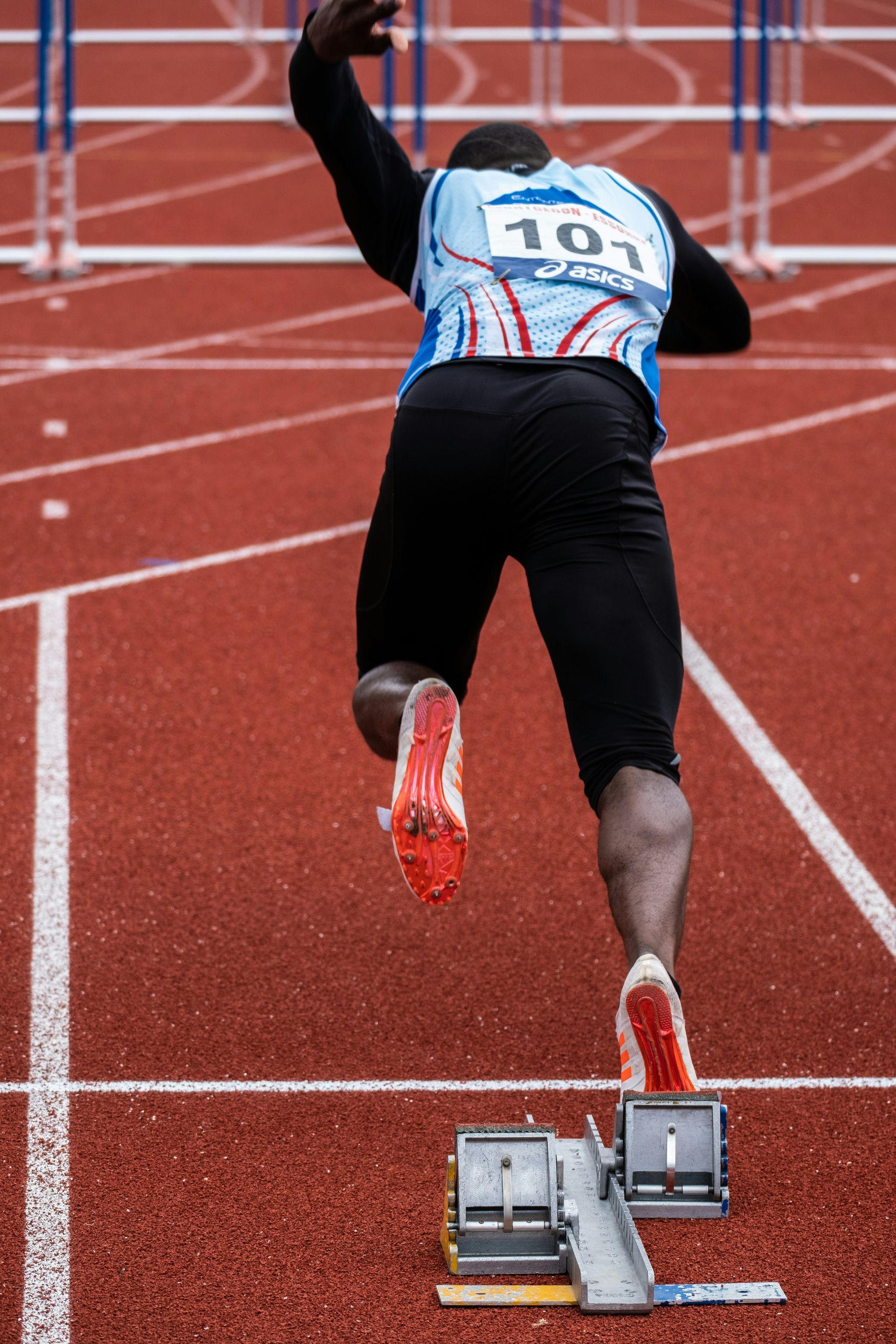
Be Where Your Feet Are: How Athletes Can Stay Present and Perform at Their Best In sport, the difference between good and great often isn’t physical—it’s mental. One of the most powerful mental skills an athlete can develop is the ability to stay present. To be where your feet are. Not stuck replaying the last mistake. Not fast-forwarding to the outcome. Just fully locked into the moment you’re in. Because performance only happens now. Here are practical ways athletes can train that skill and show up at their best when it matters most: 1. Recognize When Your Mind Has Left the Moment You can’t refocus if you don’t first notice you’ve drifted. Common signs: Replaying a mistake (“I can’t believe I did that…”) Jumping ahead (“What if I miss this?”) Thinking about what others are thinking Awareness is step one. The goal isn’t to never get distracted—that’s unrealistic. The goal is to catch it faster. 2. Use a Reset Cue Have a simple, repeatable phrase or action that brings you back. Examples: “Next play” “Right here” “This moment” A deep breath + exhale This becomes your mental “home base.” Every time your mind wanders, you come back to it. 3. Anchor to Your Senses Your body is always in the present—even when your mind isn’t. Quick ways to ground yourself: Feel your feet in your shoes or on the field/court Notice your breathing Listen for a specific sound (whistle, crowd, ball contact) This pulls you out of your head and back into the moment. 4. Focus on Process, Not Outcome Pressure lives in outcomes. Freedom lives in process. Instead of: “I need to score” Think: “Clean first touch” “Strong follow-through” “Attack the ball” Process goals are controllable and keep you engaged in the present. 5. Create a Between-Play Routine The best athletes don’t leave focus to chance—they build it into routines. Between plays: Release the last moment (good or bad) Reset with a breath or cue Refocus on your next role This creates consistency, especially under pressure. 6. Accept Mistakes Faster Mistakes don’t hurt performance nearly as much as how long you stay stuck on them. Present athletes: Acknowledge it Learn (if needed) Let it go Lingering is what pulls you out of the moment. 7. Train Presence in Practice You can’t expect to be present in games if you don’t practice it. In training: Notice distractions Use your reset cue Refocus intentionally Mental skills are built just like physical ones—through repetition. 8. Simplify Your Focus Under Pressure When the moment gets big, your focus should get small. Instead of thinking about everything: Lock into one cue One job One action Clarity creates confidence. 9. Trust That This Moment Is Enough Often, athletes leave the present because they feel like they need to do more, be more, or control more. But peak performance comes from: Trusting your preparation Trusting your instincts Trusting the moment in front of you You don’t need to win the whole game in one play. Just win this moment. Final Thought “Be where your feet are” isn’t just a phrase—it’s a competitive advantage. When you’re present: You react faster You think clearer You play freer And most importantly—you give yourself access to the performance you’ve trained for. The next time your mind drifts, don’t get frustrated. Just come back. Right here. Right now.

Becky Meline, LIMHP MGCP Comparison is something every athlete faces — whether it’s comparing stats, playing time, body type, or social media highlights. In today’s world, athletes aren’t just competing on the field or court — they’re competing with what they see online. You scroll through Instagram and see a teammate posting highlight reels, another athlete committing to their dream school, or someone showing off their “perfect” body or training grind. Before you know it, you start questioning your own progress and wondering if you’re enough. Here’s the truth: comparison steals joy, confidence, and focus — three things every athlete needs to perform at their best. Let’s talk about how to manage it. 1. Recognize That You’re Seeing a Highlight Reel Social media shows the best moments, not the full story. That picture-perfect post doesn’t show the athlete’s struggles, failures, or late-night frustrations. Remind yourself that you’re seeing a filtered version of someone’s journey — not their full reality. When you catch yourself comparing, try saying to yourself: “I’m only seeing their highlight reel, not their hard days.” Grounding yourself in that truth helps bring the focus back to your own path. 2. Focus on Your Lane Every athlete develops differently — physically, mentally, and emotionally. Some teammates peak early, others find their stride later. Comparing your chapter 2 to someone else’s chapter 10 only hurts your growth. Instead, shift your mindset: Set your own goals — what do you want to improve this week? Track your own progress — celebrate small wins like better recovery, stronger mindset, or consistent effort. Remember your why — why you play, why you train, and what you love about your sport. When your focus is inward, comparison loses power. 3. Use Comparison as Feedback, Not Judgment Comparison isn’t always bad — it can become fuel when used the right way. Instead of thinking, “She’s so much better than me,” shift to, “What can I learn from her?” If a teammate has great confidence, work on your mental game. If someone’s faster or stronger, ask what drills or training helped them. Growth-minded athletes turn comparison into curiosity — not criticism. 4. Take Breaks from Social Media If scrolling makes you feel less than, it’s okay to step back. Unfollow accounts that trigger insecurity and follow people or pages that inspire healthy habits, positivity, and confidence. Try creating boundaries: No scrolling before or after practice 24-hour social media break after tough games Limit time on comparison-heavy platforms like Instagram or TikTok Protect your mental space the same way you protect your body — both impact performance. 5. Build Genuine Connections with Teammates Comparison can isolate you — but connection heals it. When you build real relationships with teammates, you realize that everyone has insecurities and goals they’re working toward. Support each other. Celebrate each other’s wins. When your team culture is rooted in encouragement instead of comparison, everyone performs better. 6. Remind Yourself of What Makes You, You No one else has your exact mindset, skills, story, or purpose. That’s your superpower. When you catch yourself comparing, pause and remind yourself: “I have my own strengths, and I’m working on becoming my best self.” Confidence grows when you anchor your worth in who you are — not in how you measure up to others. Every athlete struggles with comparison — it’s part of being human. But learning to manage it is part of becoming mentally strong. Focus on your growth, surround yourself with supportive people, and remember that your path doesn’t have to look like anyone else’s to be meaningful. You’re building your story — and that’s something worth being proud of. Becky Meline, LIMHP MGCP Licensed Clinician & Certified Performance Coach