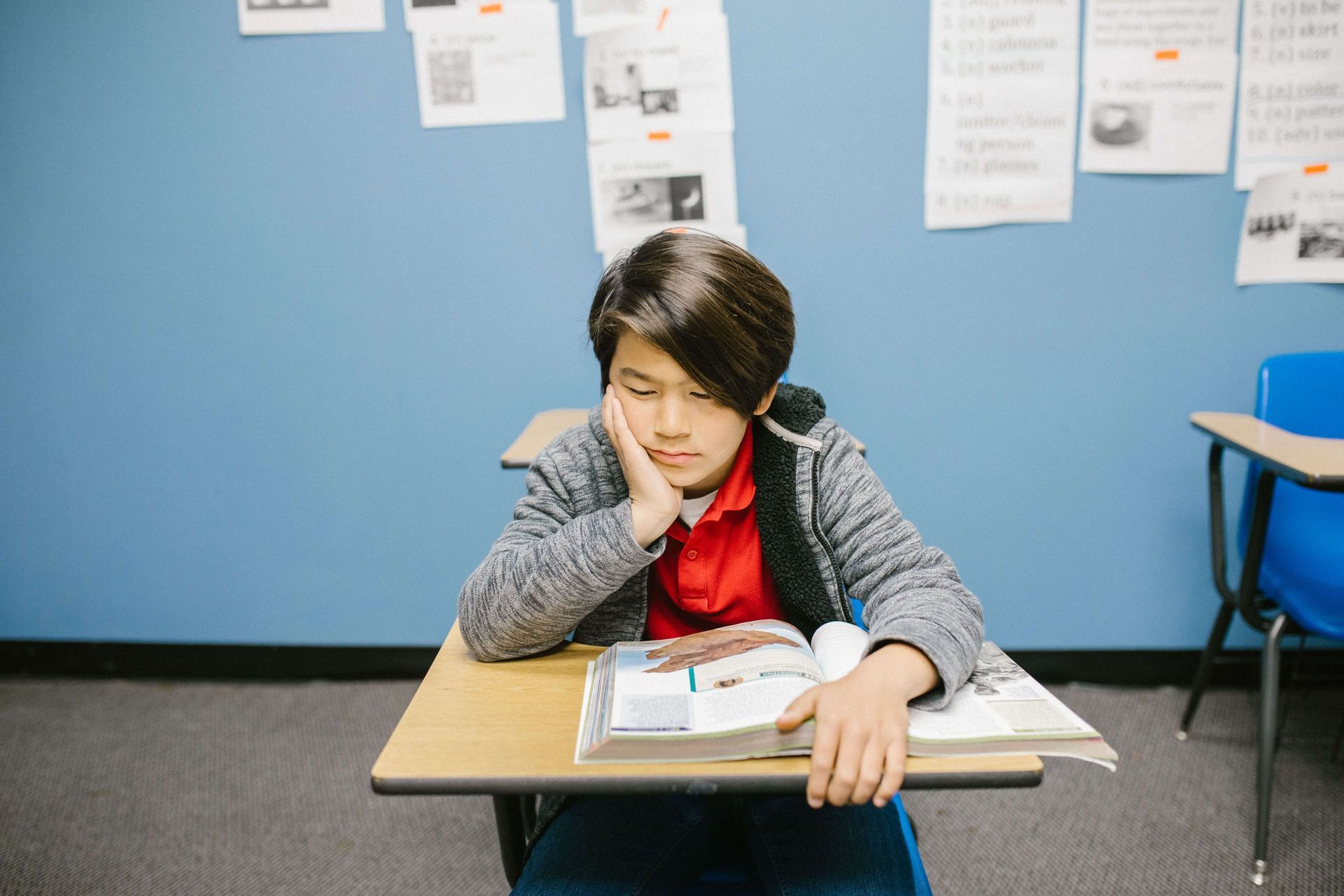
Have you heard the phrase “helicopter parent?” It describes a mother or father that ‘hovers’ around their child 24/7, overseeing their life to keep them from every potential danger, pitfall and mishap. It looks good on paper, but this kind of parenting forgets one important fact of reality:  life happens.

Adversity happens to all of us. Those children who engage with adversity in their formative years learn how to handle it well and come up with strategies and solutions. These are the kids that grow up to be resilient, getting right back up when life knocks them down a few pegs.


Here are some ways parents can raise resilient children:

Plant the Right Mindset

How your child sees the world and their own potential in it directly informs how they make decisions. Teach them a positive and empowering mindset from the beginning. Teach them that failure does not exist, only learning what works and what doesn’t. Failing grades and losing games aren’t the end of the world, though they may feel like it. What really matters is the commitment and effort they put into reaching their goal.

Don’t Meet Their Every Need

A child will never be able to develop their own coping strategies if someone is there every second making sure they never become hurt or disappointed. Do your best to NOT overprotect your children and give them some space to figure it out all on their own.

Help Your Children Connect

Social children who are well connected to others feel a sense of support and resilience. Authentic relationships provide a safe space and a person to talk to about their feelings. Help socialize your child as soon as possible so they can form deep connections on their own as they grow.

Let Them Take Some Risks

All parents want to keep their kids safe, but there comes a point when you’ve got to let go a bit and let them learn HOW to be safe on their own. For instance, one day your child will need to get their driver’s license. You can help that older child be a safe driver by allowing their younger self to ride their bicycle around the neighborhood. This will teach them to pay attention, look both ways, etc.

Teach Them the Right Skills

Instead of focusing on the ‘danger’ or uncomfortableness of a situation, teach your child how to navigate it. For instance, if he or she is going away to summer camp for the first time, brainstorm some ideas of how they can learn to be comfortable away from home. Pack their favorite blanket. Talk to them about calling you at certain times to check in. Teach them how to solve their own problems. This is one of the greatest gifts parents can give.


Resiliency isn’t something that’s automatically handed down to kids; it’s something that must be instilled and molded over time. Planting these seeds now will set your child up for success in their future.

Woman goalie standing in front of a soccer net looking anxious. Anxiety therapy in Omaha can help.
By Becky Meline June 22, 2026
Why does one small mistake feel impossible to let go of? Anxiety and perfectionism therapy in Omaha, NE, at Focus Therapy can help you build confidence.
Woman standing on an outdoor track. Sports performance anxiety therapy in Omaha, NE, can help.
By Becky Meline June 18, 2026
Do nerves take over when it’s time to compete? Focus Therapy offers support for sports performance anxiety in Omaha, Nebraska. Read to learn more today.
By Becky Meline June 10, 2026
Feeling mentally overwhelmed, distracted, and constantly on edge? Focus Therapy provides anxiety and ADHD therapy in Omaha, NE, for better regulation and focus.
May 12, 2026
Fear of Re-Injury Is Real—Here’s How Sports Psychology Performance Coaching Helps Athletes Come Back Stronger in Omaha
May 12, 2026
How to Find a Therapist in Omaha, NE When Everyone Has a Waitlist
By Katie Cooley, LMHP May 12, 2026
LGBTQ Resources in Omaha, Nebraska
By Jesse Nguyen May 1, 2026
Be Where Your Feet Are: How Athletes Can Stay Present and Perform at Their Best In sport, the difference between good and great often isn’t physical—it’s mental. One of the most powerful mental skills an athlete can develop is the ability to stay present. To be where your feet are. Not stuck replaying the last mistake. Not fast-forwarding to the outcome. Just fully locked into the moment you’re in. Because performance only happens now. Here are practical ways athletes can train that skill and show up at their best when it matters most: 1. Recognize When Your Mind Has Left the Moment You can’t refocus if you don’t first notice you’ve drifted. Common signs: Replaying a mistake (“I can’t believe I did that…”) Jumping ahead (“What if I miss this?”) Thinking about what others are thinking Awareness is step one. The goal isn’t to never get distracted—that’s unrealistic. The goal is to catch it faster. 2. Use a Reset Cue Have a simple, repeatable phrase or action that brings you back. Examples: “Next play” “Right here” “This moment” A deep breath + exhale This becomes your mental “home base.” Every time your mind wanders, you come back to it. 3. Anchor to Your Senses Your body is always in the present—even when your mind isn’t. Quick ways to ground yourself: Feel your feet in your shoes or on the field/court Notice your breathing Listen for a specific sound (whistle, crowd, ball contact) This pulls you out of your head and back into the moment. 4. Focus on Process, Not Outcome Pressure lives in outcomes. Freedom lives in process. Instead of: “I need to score” Think: “Clean first touch” “Strong follow-through” “Attack the ball” Process goals are controllable and keep you engaged in the present. 5. Create a Between-Play Routine The best athletes don’t leave focus to chance—they build it into routines. Between plays: Release the last moment (good or bad) Reset with a breath or cue Refocus on your next role This creates consistency, especially under pressure. 6. Accept Mistakes Faster Mistakes don’t hurt performance nearly as much as how long you stay stuck on them. Present athletes: Acknowledge it Learn (if needed) Let it go Lingering is what pulls you out of the moment. 7. Train Presence in Practice You can’t expect to be present in games if you don’t practice it. In training: Notice distractions Use your reset cue Refocus intentionally Mental skills are built just like physical ones—through repetition. 8. Simplify Your Focus Under Pressure When the moment gets big, your focus should get small. Instead of thinking about everything: Lock into one cue One job One action Clarity creates confidence. 9. Trust That This Moment Is Enough Often, athletes leave the present because they feel like they need to do more, be more, or control more. But peak performance comes from: Trusting your preparation Trusting your instincts Trusting the moment in front of you You don’t need to win the whole game in one play. Just win this moment. Final Thought “Be where your feet are” isn’t just a phrase—it’s a competitive advantage. When you’re present: You react faster You think clearer You play freer And most importantly—you give yourself access to the performance you’ve trained for. The next time your mind drifts, don’t get frustrated. Just come back. Right here. Right now.
By Jesse Nguyen April 28, 2026
The body content of your post goes here. To edit this text, click on it and delete this default text and start typing your own or paste your own from a different source.
November 11, 2025
Becky Meline, LIMHP MGCP Comparison is something every athlete faces — whether it’s comparing stats, playing time, body type, or social media highlights. In today’s world, athletes aren’t just competing on the field or court — they’re competing with what they see online. You scroll through Instagram and see a teammate posting highlight reels, another athlete committing to their dream school, or someone showing off their “perfect” body or training grind. Before you know it, you start questioning your own progress and wondering if you’re enough. Here’s the truth: comparison steals joy, confidence, and focus — three things every athlete needs to perform at their best. Let’s talk about how to manage it. 1. Recognize That You’re Seeing a Highlight Reel Social media shows the best moments, not the full story. That picture-perfect post doesn’t show the athlete’s struggles, failures, or late-night frustrations. Remind yourself that you’re seeing a filtered version of someone’s journey — not their full reality. When you catch yourself comparing, try saying to yourself: “I’m only seeing their highlight reel, not their hard days.” Grounding yourself in that truth helps bring the focus back to your own path. 2. Focus on Your Lane Every athlete develops differently — physically, mentally, and emotionally. Some teammates peak early, others find their stride later. Comparing your chapter 2 to someone else’s chapter 10 only hurts your growth. Instead, shift your mindset: Set your own goals — what do you want to improve this week? Track your own progress — celebrate small wins like better recovery, stronger mindset, or consistent effort. Remember your why — why you play, why you train, and what you love about your sport. When your focus is inward, comparison loses power. 3. Use Comparison as Feedback, Not Judgment Comparison isn’t always bad — it can become fuel when used the right way. Instead of thinking, “She’s so much better than me,” shift to, “What can I learn from her?” If a teammate has great confidence, work on your mental game. If someone’s faster or stronger, ask what drills or training helped them. Growth-minded athletes turn comparison into curiosity — not criticism. 4. Take Breaks from Social Media If scrolling makes you feel less than, it’s okay to step back. Unfollow accounts that trigger insecurity and follow people or pages that inspire healthy habits, positivity, and confidence. Try creating boundaries: No scrolling before or after practice 24-hour social media break after tough games Limit time on comparison-heavy platforms like Instagram or TikTok Protect your mental space the same way you protect your body — both impact performance. 5. Build Genuine Connections with Teammates Comparison can isolate you — but connection heals it. When you build real relationships with teammates, you realize that everyone has insecurities and goals they’re working toward. Support each other. Celebrate each other’s wins. When your team culture is rooted in encouragement instead of comparison, everyone performs better. 6. Remind Yourself of What Makes You, You No one else has your exact mindset, skills, story, or purpose. That’s your superpower. When you catch yourself comparing, pause and remind yourself: “I have my own strengths, and I’m working on becoming my best self.” Confidence grows when you anchor your worth in who you are — not in how you measure up to others. Every athlete struggles with comparison — it’s part of being human. But learning to manage it is part of becoming mentally strong. Focus on your growth, surround yourself with supportive people, and remember that your path doesn’t have to look like anyone else’s to be meaningful. You’re building your story — and that’s something worth being proud of. Becky Meline, LIMHP MGCP Licensed Clinician & Certified Performance Coach
October 21, 2025
Becky Meline, LIMHP MGCP Every athlete wants to succeed—or at least feel that they have reached their highest potential. You train hard, set goals, and push yourself to reach your potential. But sometimes, that drive for success turns into something heavier — the pressure to be perfect. When every mistake feels like failure, confidence and joy in the sport can quickly fade. Perfectionism in sports is one of the main culprits that bring athletes into my office. That’s where mindset comes in. Understanding whether you’re operating from a growth mindset or a fixed mindset can completely change how you handle mistakes, challenges, and even perfectionism itself. What’s the Difference? Fixed Mindset: A fixed mindset believes that your abilities and talents are set in stone — you’re either “good” or “not good” at something. Athletes with this mindset might think, “I’m just not fast enough,” or “If I mess up, it means I’m not talented.” Mistakes become threats. Feedback feels personal. Failure means you’re “not enough.” Growth Mindset: A growth mindset sees abilities as things that can be developed through effort, practice, and learning. Challenges become opportunities to grow. Mistakes are feedback. And setbacks are simply part of the process of getting better. This mindset says, “I can learn from this,” or “I haven’t mastered it yet. How Mindset Affects Perfectionism Perfectionism often grows out of fear — fear of not being good enough, of disappointing others, or of making mistakes. When you have a fixed mindset, that fear feels justified because every error feels like proof that you’ve hit your limit. But when you shift to a growth mindset, mistakes stop being proof of weakness. Instead, they’re part of your path to mastery. You begin to understand that everybody starts as a beginner until they meet mastery in a skill. Failure doesn’t define you. Effort isn’t a sign of lack — it’s the key to improvement. Progress matters more than perfection Practical Ways to Build a Growth Mindset 1. First and foremost, you have to believe it’s possible for you to improve and get better. It might sound simple, but it’s the first step to becoming your greatest self. When athletes don’t believe it’s possible, it’s the exact opposite of a growth mindset and it keeps you stuck. 2. Add “Yet” to Your Thinking When you catch yourself saying, “I’m not good at this,” add “yet.” → “I’m not good at this yet.” It’s a small word that shifts your thinking from limitation to possibility. “Yet” helps you see that this is a skill that can be developed and improved upon through effort and reps. 3. Mistakes are Data—use the information to help you grow After a tough game or practice, ask yourself: What did I learn? What will I do differently next time? What went well despite the mistake? 4. Focus on the Process, Not the Outcome Instead of obsessing over stats, rankings, or wins, focus on controllables — your effort, your attitude, your preparation. The more you value growth over results, the less perfection will control you. 5. Embrace Feedback as a Tool to Help you Grow—Not a Personal Attack Coaches correct you because they see potential. Listen to feedback without taking it as criticism of who you are — it’s simply a roadmap to improvement. 6. Celebrate Small Wins Every bit of progress deserves recognition. Whether it’s better body language, improved focus, or a new personal best, celebrating small wins reinforces growth over perfection. The most successful athletes aren’t the ones who never fail — in fact, they have likely failed more than anyone else. The difference is that they didn’t stop, they kept going and showed grit through their adversity. They’re the ones who learn, adapt, and keep going. A growth mindset frees you from the pressure of perfection and helps you rediscover the love of competing and improving. You don’t need to be perfect. You just need to keep growing—and keep in mind that everyone grows at different rates.