By: Sharon Heckathorn LIMHP
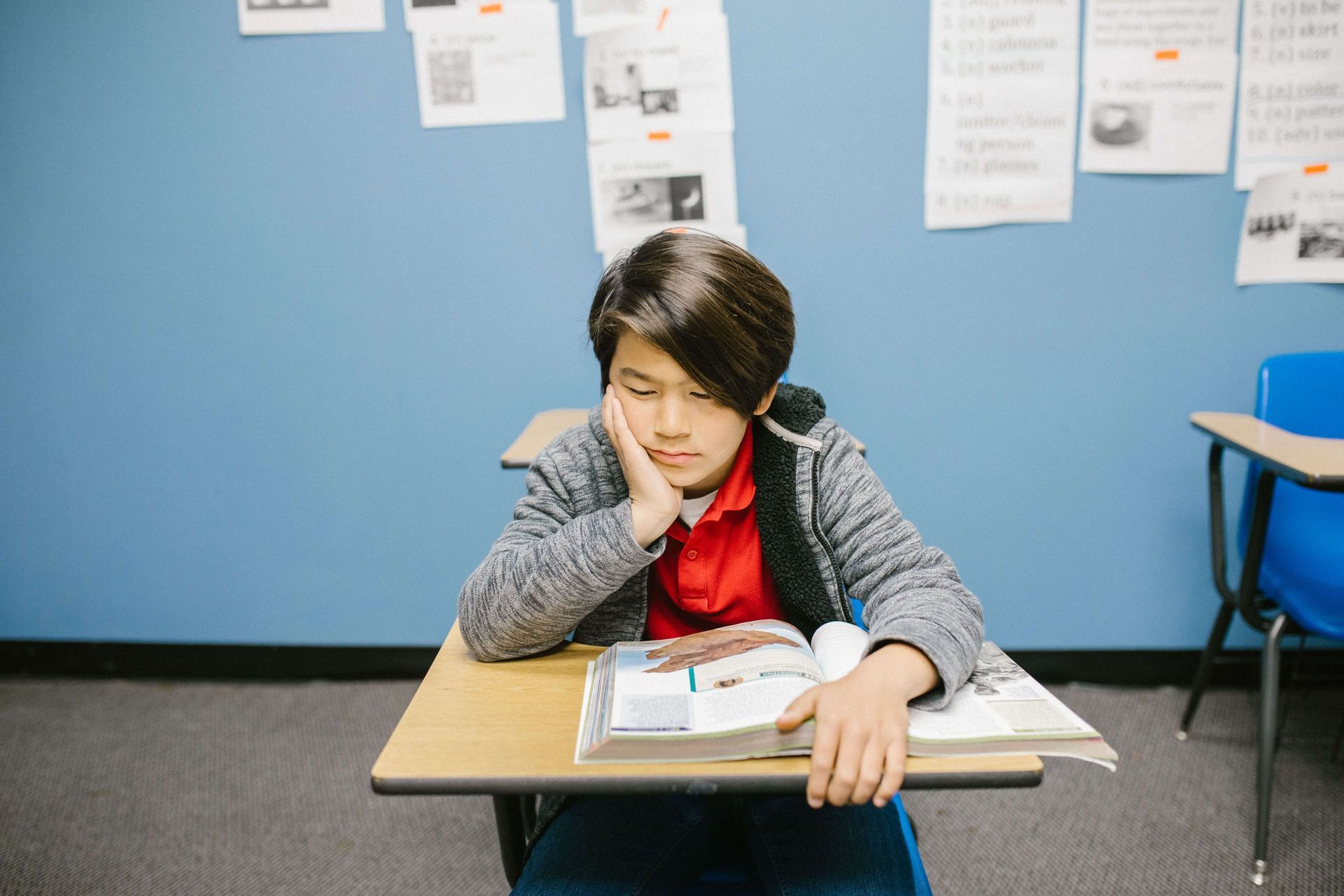
It’s hard to believe that it is back to school time again. For many children this is an exciting time of the year. Fresh notebooks, a new backpack, and an enthusiasm for what the year may bring. But back to school time can also be stressful for both children and their parents. This is especially true if they are anticipating a big transition such as going into kindergarten/junior high, changing schools, or starting the year in a new city. Your child may wonder things like:
“Who will I sit with at lunch?”
“Will my teacher be nice, what if she is mean?”
“Will I be able to make friends?”
“What if something bad happens to mom or dad while I’m at school?”
These thoughts and many more can tend to make both children and their parents anxious. While this is normal, parents may be wondering how to best help their child as they prepare to go back to school. This preparation may be especially important if their child has struggled with other transitions in life. Here are 5 tips to help prepare the family for back to school:
* Sleep -Gradually return to a sleep and wake schedule that is in line with their school schedule. Many children stay up later in the summer and sleep in. You can slowly reverse this by going to bed 15-20 minutes earlier per night. Ensuring that you children go to school rested is one of the most important ways to help them start their day. A good breakfast helps too!
* Prepare -Participate in back to school activities so that your child can see their classroom, meet their teacher, and have an opportunity to ask any questions that they might have. If you are unable to do this, as least drive to the school so that they can see where they will be going. If your children are taking the bus, bring them to where they will be getting on and off the bus and make sure they understand what to do in an emergency.
* Problem Solve -Once you have identified what questions your child has or what they are anxious about, begin to help them problem solve. Having a plan makes children feel less anxious and it is a great skill to teach them. Brainstorm several ideas to possible situations that are likely to happen during their school day. Begin by asking “Let’s think about some ways you could handle that”. Involving your kids in the brainstorming will empower them and help them to see that they can do hard things.
* Listen -Don’t brush off your child’s concerns too quickly. Rather listen to them with empathy and focus on the positives. For many children having a direct conversation about their worries can be intimidating. Think about approaching worries casually as you are driving in the car or standing in line at the store. Other children may need to feel like you are giving them your undivided attention in order to be heard. Do what is going to work best for them but no matter what, be empathic in your response.
* Do a self-check -Paying attention to your own behavior and the cues that you are giving your children is very important. If you can model being calm and confident this will help children to feel like they can be too. It may be helpful to take inventory of how many commitments you and your family can take on as you start the school year. When stressed parents are trying to do too many things, this will naturally cause more anxiety for the family.
So now that you are prepared to go back to school what happens if the back to school anxiety doesn’t go away? Many parents wonder when it is appropriate to get professional help. Here are some things to consider. Is the anxiety interfering with daily activities such as the child’s sleeping, eating, and school attendance? Is your child avoiding things that they used to enjoy? Are they complaining more about somatic symptoms such as headaches or stomachaches? For younger children, are they throwing more tantrums especially before they go to school? If your answer to any of these is yes, it may be time to consider help. Anxiety disorders in children are very common and treatable. For more information on treatment, please reach out on the website or by phone at 402. 513.4416.

Sharon entered into her career by working with foster care children and families. During her early years of practice, she treated children with a wide variety of mental health disorders and significant trauma. Her background and education as a licensed social worker allowed her to expand her career to treat adults as well. During this phase of her career Sharon gained a passion for assisting adults during some of their most vulnerable transitions in life. This passion paired well with her early work in treating children realizing that often you need to have a wholistic approach to have the best treatment outcomes. Sharon has enjoyed the last several years as the Associate Clinical Director for a community mental health care center. In this role, Sharon continued to treat adults and children while training clinicians with all that she learned during her more than 14 years of experience. Her most recent transition into private practice has allowed Sharon to focus on client populations that she feels best equipped to help as clients seek a place to find renewed hope.
References
Miller, C. (2017, August 24). Back to School Anxiety. Retrieved from https://childmind.org/article/back-school-anxiety/
A. (2017, August 23). Coping with Back to School Anxiety. Retrieved from https://www.anxietybc.com/parenting/coping-back-school-anxiety
The post 5 Tips For Managing Back to School Anxiety appeared first on Focus Therapy.